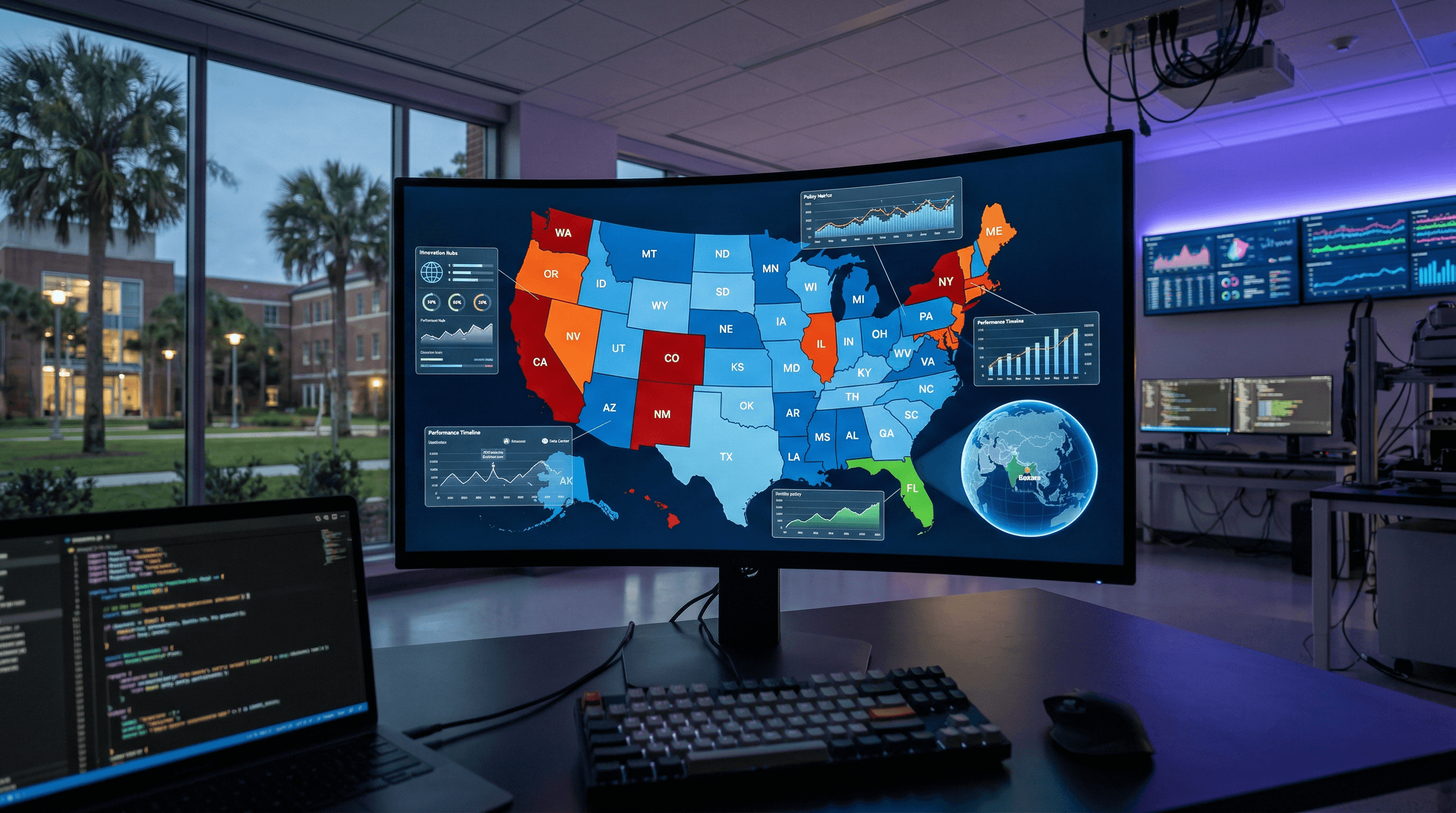
xAI Colorado lawsuit targets Colorado's new AI safety regulations, filed by Elon Musk's xAI on April 11, 2026. The company claims the rules exceed federal authority, impose heavy compliance burdens, and stifle innovation in high-impact AI systems.
Colorado enacted these regulations in March 2026. Developers must now assess and report risks for AI models surpassing specific compute thresholds. xAI seeks an injunction from Denver District Court to block enforcement.
Colorado's AI Safety Framework
Colorado's Department of Regulatory Agencies finalized the rules on March 15, 2026. The framework requires safety testing reports to address bias, misinformation, and other harms from powerful AI. xAI argues these measures conflict with federal law and violate First Amendment rights.
Brookings Institution analysts forecast a multi-year legal battle. Colorado's approach marks the first state-level mandate on AI developers in the U.S., setting a precedent for others.
xAI's Strategic Pushback
xAI released its Grok AI models in 2025 and raised $6 billion USD in a Series B round by December 2025, according to PitchBook data. Musk markets xAI as a truth-focused rival to OpenAI.
The lawsuit safeguards xAI's Colossus supercomputer in Memphis, Tennessee, which runs on 100,000 Nvidia H100 GPUs. Colorado's rules demand costly compliance audits that xAI deems impractical.
OpenAI pushes for uniform federal standards. Anthropic backs safety goals but warns of implementation pitfalls. xAI calls for national guidelines to avoid a patchwork of state rules.
Crypto Markets React
The xAI Colorado lawsuit announcement stirred crypto markets. Alternative.me's Fear & Greed Index dropped to 15 on April 11, 2026. Bitcoin climbed 1.5% to $72,868 USD, while Ethereum surged 2.5% to $2,241 USD.
AI-related tokens like Fetch.ai (FET) mirrored the gains. Investors fear regulatory hurdles could slow AI-blockchain integrations, but xAI's defiance boosted anti-overregulation sentiment.
xAI Colorado Lawsuit: Global Ripples
This case probes U.S. federalism in AI governance. The EU AI Act, effective since August 2025, categorizes risks into tiers. China requires state approvals for large AI models.
The U.S. Commerce Department monitors state initiatives, as stated on April 10, 2026. An xAI victory might protect international firms from similar U.S. state actions.
Bangladesh tracks these developments closely. The Bangladesh Computer Council targets 10% of GDP from the digital economy by 2028, per official plans. Global AI rules directly shape data flows, talent mobility, and foreign investments into local tech.
Bangladesh Tech Hubs in Focus
Dhaka's Bashundhara City hosts AI startups, while Jessore advances digital parks in the Khulna Division. The government allocated 5 billion BDT ($42 million USD) for AI research in the 2026 budget.
DBL Group deploys AI computer vision in garment factories, cutting defects by 20%, according to the Bangladesh Garment Manufacturers and Exporters Association (BGMEA) report from April 2026. U.S. precedents influence ongoing WTO discussions on AI trade.
Over 500 AI firms registered since 2025, per Startup Bangladesh Limited. Strict rules risk export barriers if models fail safety tests; lighter frameworks better suit this growing ecosystem.
bKash and Nagad, Bangladesh's leading mobile financial services, integrate AI for fraud detection. These platforms process billions in transactions yearly, linking to $22 billion USD remittances.
Finance Angle: Investment Flows
Venture capital targets Bangladesh AI startups. SoftBank invested $200 million USD in Dhaka fintechs last quarter. McKinsey's April 11, 2026, report links regulatory clarity to accelerated funding.
Bangladesh Bank pilots blockchain for its $22 billion USD annual remittances. AI optimizes these flows, but added compliance costs from global rules threaten efficiency.
xAI's implied $24 billion USD valuation highlights the stakes. Bloomberg reported the Nasdaq AI index rose 0.8% following the news.
Diaspora Connections
Jessore's diaspora in the UK and U.S. follows closely. They funnel Silicon Valley AI know-how and remittances back home, powering local innovation.
Jessore University of Science and Technology doubled AI program enrollment since 2024. The Prime Minister's ICT Advisor called for balanced regulations on April 11, 2026.
Remittance tech like bKash benefits from diaspora ties, with AI enhancing cross-border security amid regulatory shifts.
Path Forward
Denver courts schedule arguments for June 2026. xAI advocates voluntary industry frameworks. Colorado defends consumer protections.
Bangladesh drafts its AI policy with risk-based tiers, exempting agriculture applications. Jessore farmers use AI drones to boost rice yields by 15%, per the Department of Agricultural Extension.
The xAI Colorado lawsuit accelerates global debates on innovation-friendly rules. Bangladesh tech hubs in Dhaka and Jessore gear up for AI leadership with pragmatic policies that attract investment and talent.