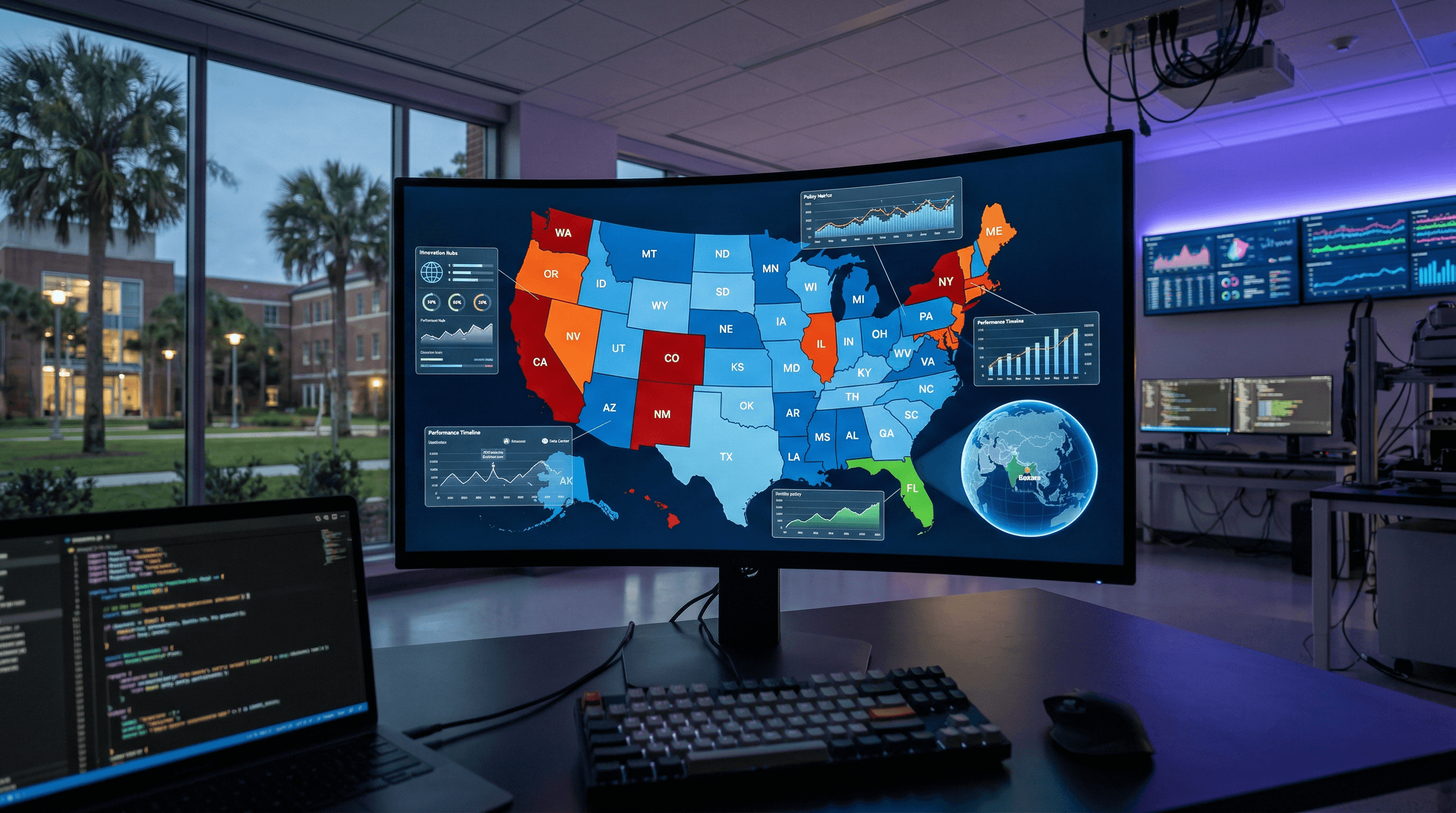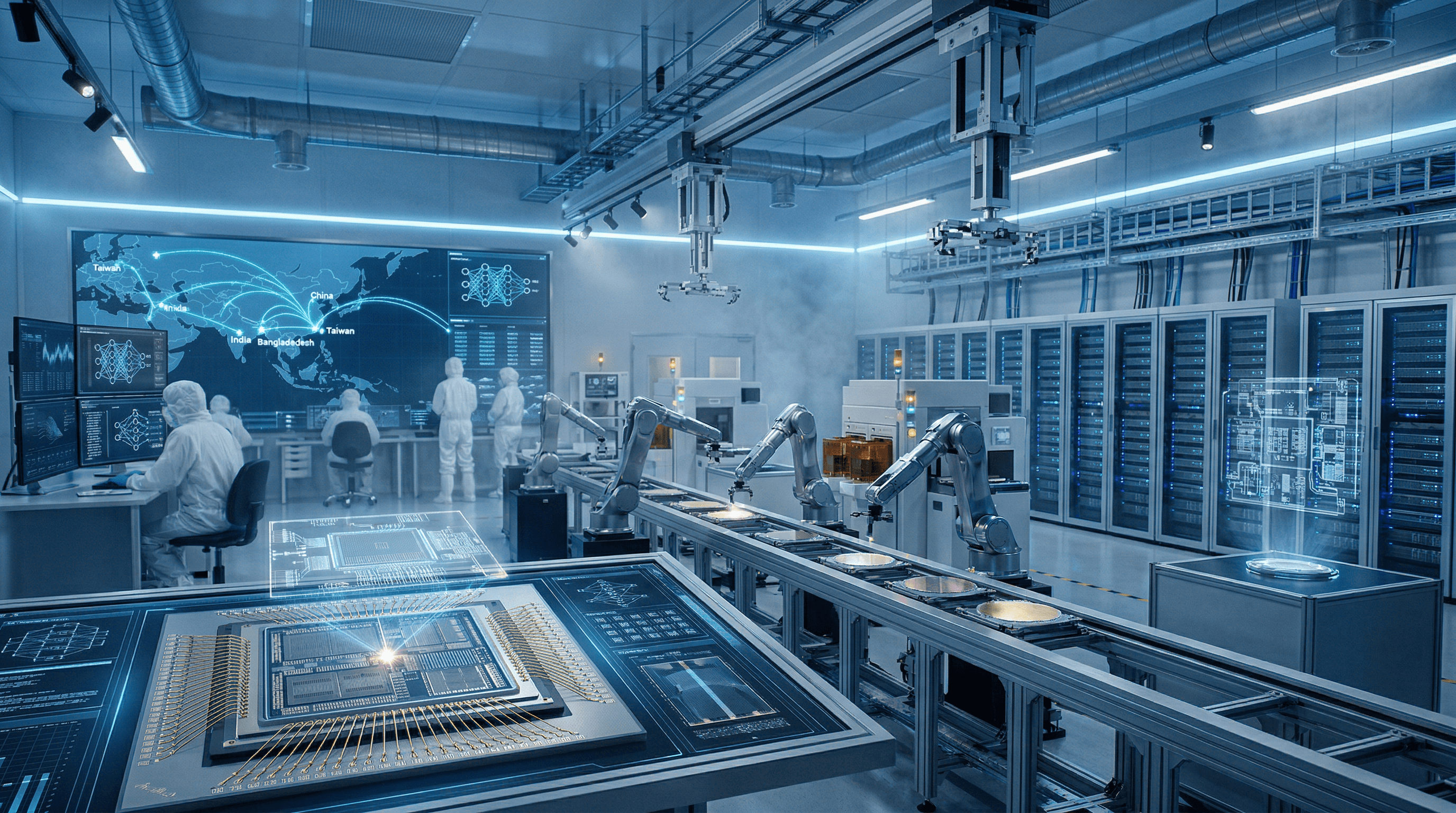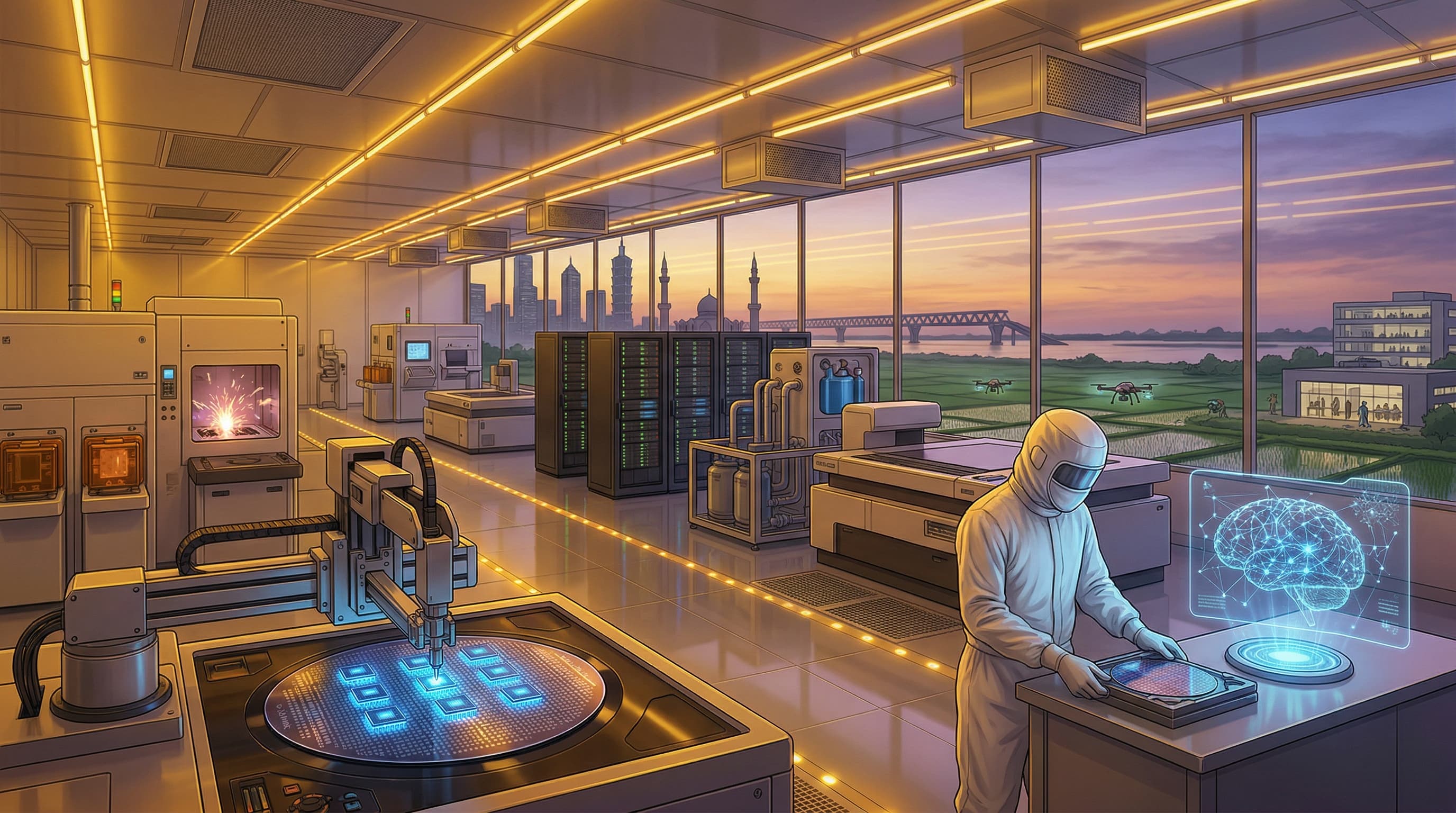
Pennsylvania State University signed a US-India AI pact with the Indian AI Research Organization on April 10, 2026. The memorandum of understanding (MOU) fosters joint AI research, technology transfers, and talent exchanges. Bangladesh tech hubs in Dhaka and Jessore benefit directly through regional partnerships and observer status.
Penn State hosted a virtual signing ceremony with leaders from both institutions. Indian officials emphasized ethical AI development aligned with global standards. Bangladesh positions itself as South Asia's technology bridge, leveraging programs like Access to Information (a2i) and BASIS for developer access to advanced tools. Diaspora engineers in Jackson Heights and London contribute expertise, linking global innovations to local hubs.
US-India AI Pact Details
Penn State commits $5 million USD over three years to establish joint AI laboratories and training programs. The Indian AI Research Organization provides expertise in natural language processing (NLP) and computer vision. Collaborative teams focus on AI applications tailored to South Asian challenges, including agriculture and healthcare.
Jessore farmers already test precision farming AI models that predict crop yields with 92% accuracy, according to Penn State pilot trials announced April 10, 2026. The pact trains 500 South Asian engineers annually, with Jessore's Bangladesh Institute of Technology hosting initial cohorts. Faculty exchanges launch in July 2026, prioritizing Bangladeshi academics. These initiatives address rural tech adoption gaps in Jessore, where mobile penetration exceeds 90% per BTRC data.
Momentum in Bangladesh Tech Hubs
Dhaka's AI ecosystem expands 25% annually, driven by Bangladesh Computer Council investments reported April 10, 2026. Jessore builds startup incubators backed by BDT 200 million ($1.7 million USD) from government and private funds. The US-India AI pact accelerates this via open-source AI toolkits shared regionally.
Local garment firms integrate AI for quality control, reducing defects by 15%, as per BGMEA quarterly reports. Khulna Division hubs, near Jessore, optimize supply chains with Indian AI datasets on demand forecasting. UK and US diaspora engineers, trained via Penn State networks, join Jessore startups. One such venture, AgriAI Solutions, secured BDT 50 million ($430,000 USD) in seed funding this quarter from South Asia VC firms.
Dhaka fintech leaders like bKash and Nagad explore pact-derived AI for fraud detection, processing over 50% of national transactions.
Financial and Market Impacts
Global markets reflect AI-driven optimism. Bitcoin trades at $73,205 USD, up 0.8%, while Ethereum reaches $2,248.87 USD, up 1.3%, according to CoinMarketCap data on April 10, 2026. Penn State-developed AI models enhance trading algorithms used by Bangladeshi diaspora investors.
Bangladesh fintech firms adopt these for remittance processing, managing BDT 1 trillion ($8.6 billion USD) annually, Bangladesh Bank confirms. Remittance corridors from UAE and US benefit from AI-reduced processing times. South Asian venture capital hits $2.5 billion USD in Q1 2026, per PitchBook. Bangladesh claims 8% through Jessore Hi-Tech Park, attracting IT outsourcing deals worth BDT 500 crore ($4.3 million USD).
Regional Framework and Collaboration
The MOU outlines annual summits alternating between Pennsylvania and New Delhi. Bangladesh participates as an observer, with Jessore representatives attending the October 2026 event. Joint projects model climate risks, predicting southwestern Bangladesh floods at 85% accuracy using Indian AI Research Organization datasets.
Penn State scholarships target 50 Bangladeshi students in AI ethics and quantum computing, expanding to undergraduate exchanges. Dhaka University and Jessore Science and Technology University partner for curriculum updates. These ties support Bangladesh Bank's digital governance push.
Economic Ripple Effects in Bangladesh
Garment exports rise 12% in 2026 projections from the Export Promotion Bureau, fueled by AI vision systems in Jessore factories aiming for 500 million pieces annually. Productivity gains lower costs, boosting competitiveness in US and EU markets key to diaspora communities.
Fintech innovations slash remittance fees to 0.5%, saving BDT 10 billion ($86 million USD) yearly, per Bangladesh Bank estimates on April 10, 2026. AI hubs in Khulna and Jessore project 10,000 new jobs by 2028, with 40% allocated to women through targeted training. Microfinance institutions like Grameen integrate AI for credit scoring in rural Jessore.
Future Outlook
The US-India AI pact integrates Bangladesh into global AI networks, empowering Jessore developers to contribute open frameworks. World Bank forecasts a 2% GDP uplift from tech exports by end-2026.
High-speed fiber optics reach Jessore by June 2026, enabling 1 Gbps real-time collaboration. BASIS President states, "This elevates Bangladesh's regional standing," on April 10, 2026. Penn State Vice Provost adds, "South Asia leads the next AI wave."
Diaspora networks in Jackson Heights strengthen as AI tools connect global Bangladeshis to homeland innovations, from remittances to startup investments.