- 1. US states cap crypto kiosk fees at 15% with registration, per Duane Morris.
- 2. Chainalysis flags $2B suspicious ATM volume; BTC at $76,436, Fear & Greed 33.
- 3. Jessore traders eye US models for $21.1B Bangladesh remittances.
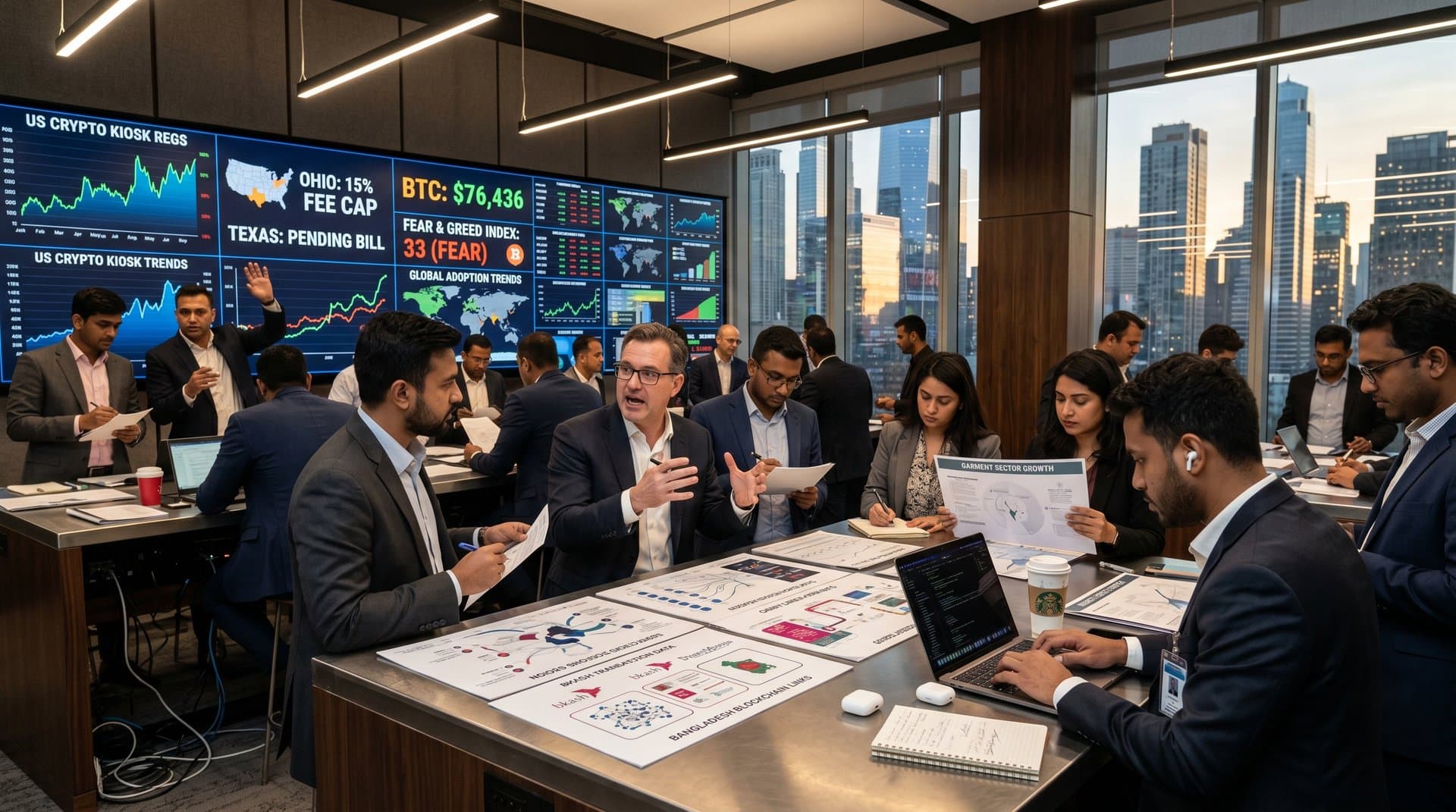
US states enforce crypto kiosk regulation capping fees at 15%, mandating operator registration and ID verification, per Duane Morris Government Strategies. These rules target high-fee Bitcoin ATMs for cash-to-crypto swaps. Jessore traders in Bangladesh study them to formalize shadow markets. Bitcoin trades at $76,436 on CoinMarketCap as of April 9, 2024.
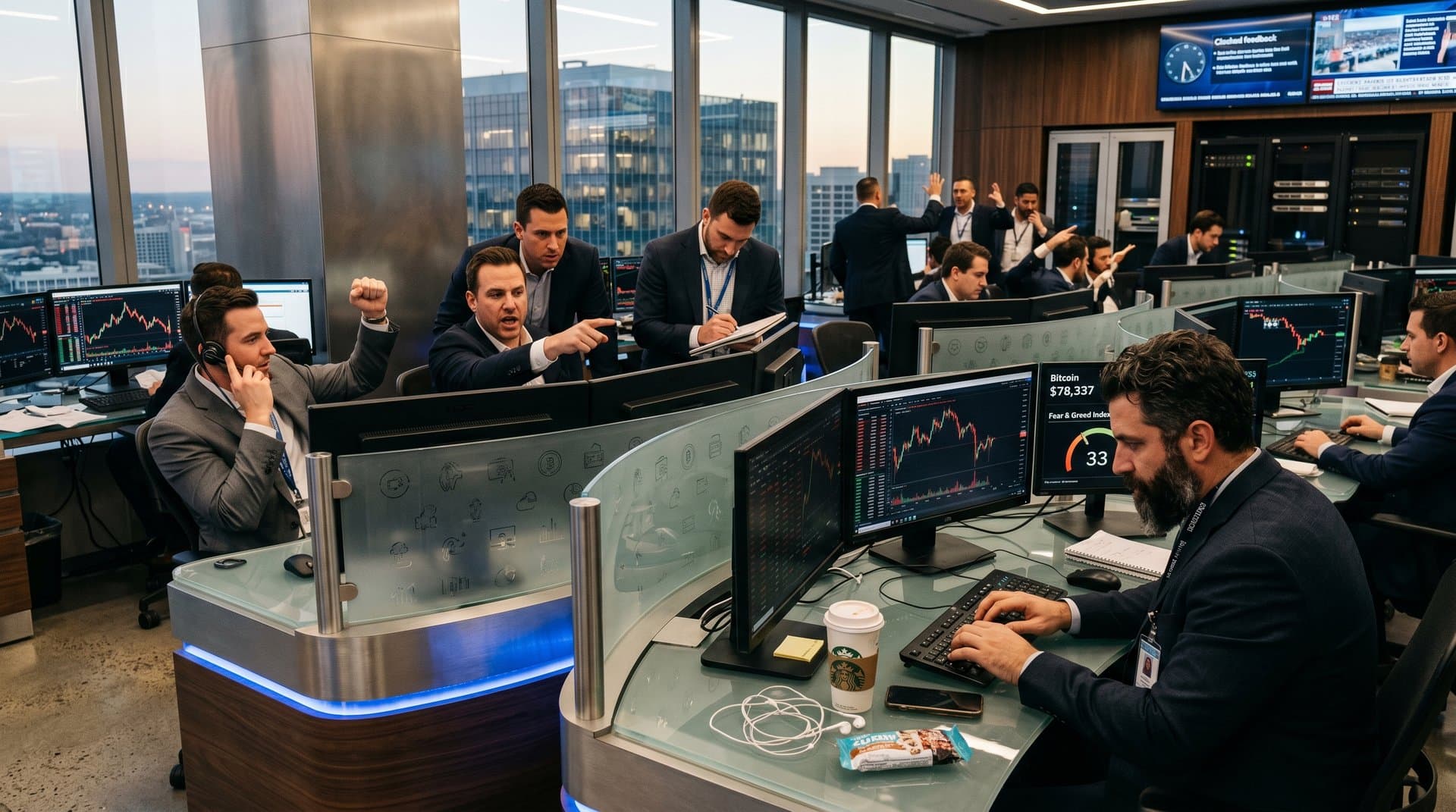
The Fear & Greed Index stands at 33, signaling fear, per Alternative.me. Ethereum holds at $2,294. XRP dips to $1.38. USDT pegs at $1.00. BNB rises to $624.37.
US States Tighten Crypto Kiosk Regulation on Laundering
Crypto kiosks enable anonymous fiat-to-crypto buys, raising money laundering risks. Chainalysis 2023 Crypto Crime Report flags $2 billion in suspicious Bitcoin ATM volume annually.
New York Department of Financial Services caps fees at 15% and requires ID checks, per CoinDesk December 2023 coverage. California licenses operators as money services businesses. Florida demands visible fees and anti-laundering programs.
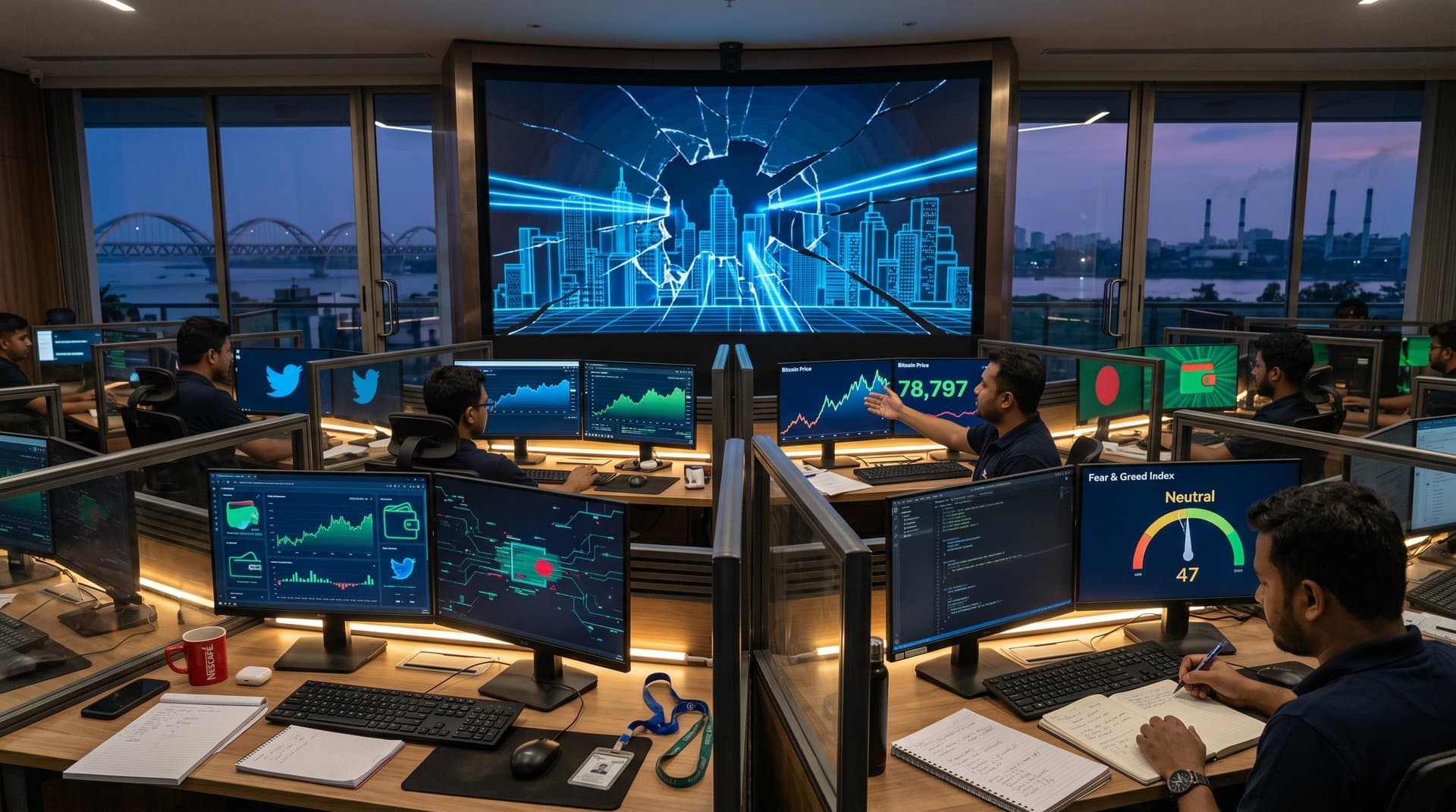
Blockchain firms like Chainalysis track risky wallet clusters. Operators integrate KYC tools. Jessore's border hundi systems show similar cash-crypto blends.
Duane Morris tracks over 20 state rules. Enforcement accelerates in 2024.
Fee Caps Shift Volume to Regulated Crypto Exchanges
Caps erode kiosk margins above 10%. Users move to Coinbase and Binance. BTC at $76,436 reflects caution.
Kiosks handle 5% of US crypto inflows, per Chainalysis. Layer-2 like Polygon aids Ethereum remittances.
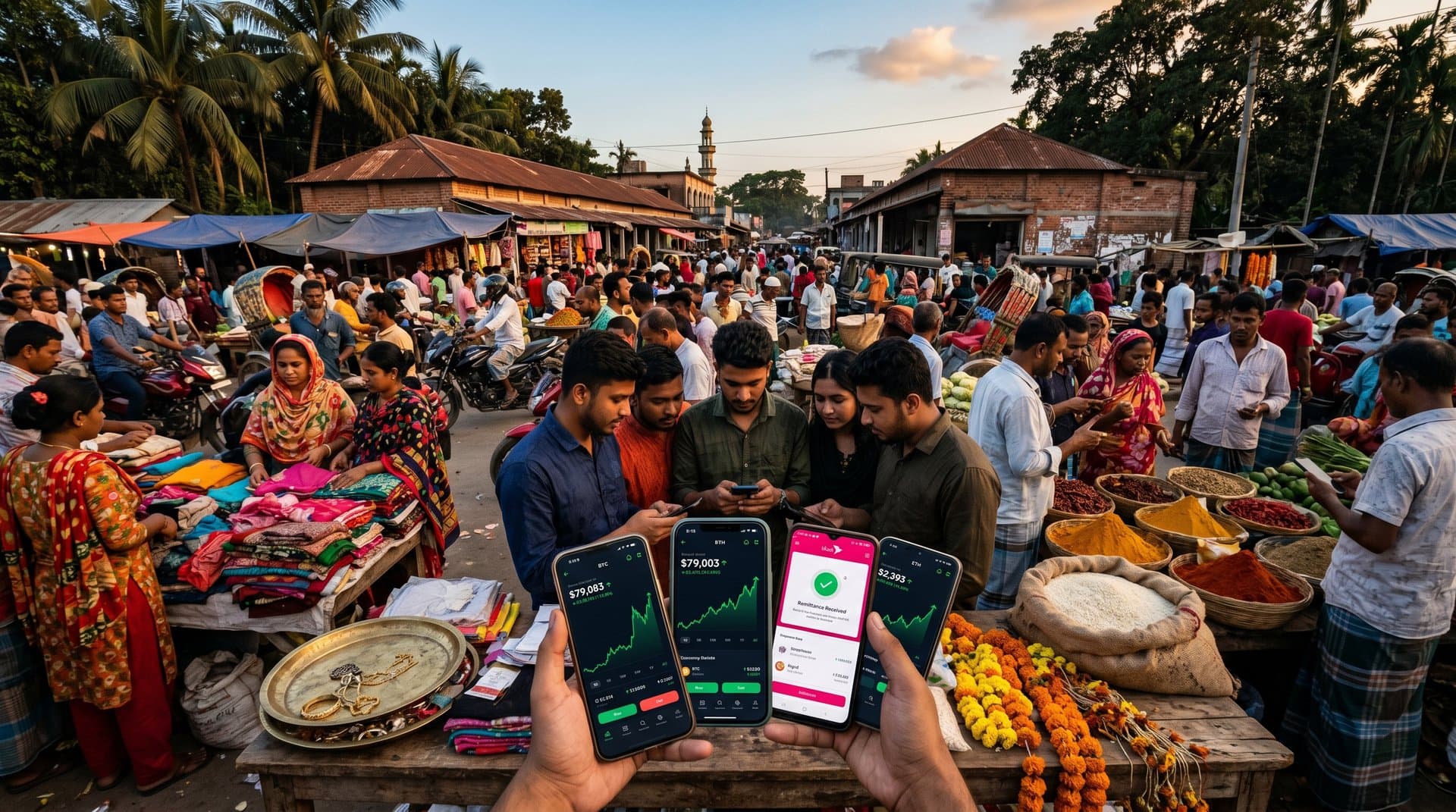
Bangladesh Bank's 2017 ban persists, yet $21.1 billion remittances flow via informal channels, per FY 2022-23 data. Jessore premiums hit 5-15%.
bKash serves 70 million users, per company reports. Nagad processes BDT 1 trillion monthly.
Jessore Shadow Trade Mirrors Early US Kiosk Risks
Jessore's India border fuels P2P crypto via Telegram. Informal hundi grabs 30% of remittances, Bangladesh Bank estimates.
Garment workers and diaspora use it. Regulators logged 500+ illicit cases in 2023. Blockchain explorers like Glassnode spot linked wallets.
Youth link crypto to betting apps. Chambers push licensed exchanges.
US Crypto Kiosk Regulation Blueprints for Bangladesh
US models suggest P2P KYC and fee disclosures for Bangladesh Bank. Cooperatives could run border kiosks.
Remittances drive 6% of GDP, World Bank states. Regulation boosts forex reserves at BDT 45 trillion.
Ethereum aids audits. BASIS reports $1.4 billion IT exports. Pathao integrates wallets.
Duane Morris stresses consumer protection for diaspora trust.
Compliant Kiosks Boost Bangladesh Fintech Growth
US rules cut volatility. Bangladesh eyes pilots pre-BTC halving. Jessore adapts for secure flows.
bKash and Nagad lead remittances. Crypto regulation aligns with BIDA policies, linking Jackson Heights diaspora to homeland.
Frequently Asked Questions
What is crypto kiosk regulation in the US?
US states require crypto kiosk operators to register, verify users, and cap fees at 15%. Duane Morris tracks rules to fight laundering.
How does US crypto kiosk regulation impact BTC price?
Caps push users to exchanges, dropping BTC to $76,436 with Fear & Greed at 33, per Chainalysis.
What US lessons for Jessore Bangladesh traders?
Licensing and KYC models formalize shadow trade, channeling $21.1B remittances via bKash.
Why regulate crypto kiosks in New York and others?
Anonymous buys enable laundering; Chainalysis notes $2B suspicious volume yearly.