- 1. AISLE uncovered 38 OpenEMR CVEs in Q1 2026 affecting 100,000 providers.
- 2. CVE-2026-24908 scores CVSS 10.0, enabling remote attacks on clinics.
- 3. Patches protect BDT 2.3T remittances funding Bangladesh health tech.
AISLE researchers Stanislav Fort, Petr Simecek, and Pavel Kohout discovered 38 OpenEMR CVEs in Q1 2026. OpenEMR powers 100,000 providers and 200 million patients globally. Bangladesh clinics in Jessore rely on it heavily.
One standout, CVE-2026-24908, scores a perfect CVSS 10.0 for remote code execution. OpenEMR released three patches by March 2026 to retain ONC certification under § 170.315(d)(1)-(13).
OpenEMR CVEs Impact Bangladesh Health Tech Ecosystem
Jessore and Khulna clinics deploy OpenEMR for cost-effective electronic health records (EHR). These open-source systems integrate with bKash and Nagad for telemedicine payments. CVEs exploit OpenSSL zero-days, enabling unauthenticated attacks.
Local servers often skip updates due to tight budgets. Bangladesh Bank reports remittances hit BDT 2.3 trillion in FY2025, funding 40% of clinic upgrades per Bangladesh Bureau of Statistics (BBS) data.
Dr. Fatima Islam, DGHS Health IT Director, stated at the Digital Bangladesh Summit 2026, "Unpatched OpenEMR risks patient data in our 5,000+ rural facilities. Providers must prioritize patches now."
AISLE's blog details the 38 OpenEMR CVEs.
Economic Stakes: 40% Remittances Fund Clinic Upgrades
Cyber breaches threaten Bangladesh's health finance pipeline. Diaspora remittances via Western Union and bKash total BDT 25,000 crore quarterly, per Bangladesh Bank data reported by Governor Abdur Rahman Sarker.
BGMEA President Faruque Hassan noted, "Garment exports reached BDT 3.88 trillion in FY2025. These profits support IT health investments across rural areas like Jessore."
Downtime from attacks costs BDT 50 crore daily nationwide, according to BASIS estimates. Global ransoms averaged USD 1.5 million per incident in 2025, per Chainalysis. Local clinics face BDT 10-20 lakh losses per breach, eroding trust in remittance-backed expansions.
Unpatched OpenEMR CVEs could disrupt bKash health wallets, serving 70 million users. BASIS Executive Director Russell T. Ahmed said, "Conduct immediate audits to protect our digital health infrastructure."
AI Cybersecurity Speeds Detection for Bangladesh Providers
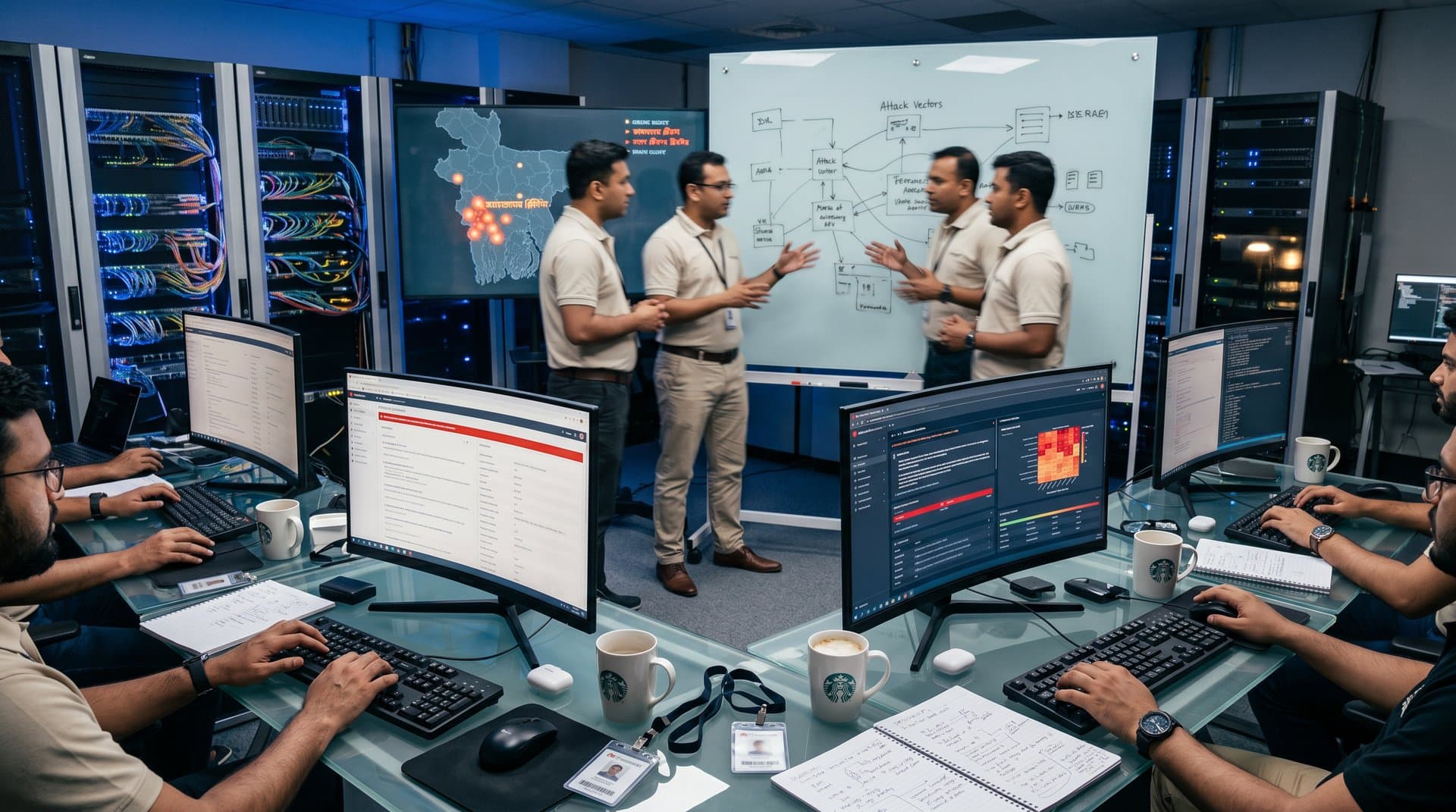
AISLE's AI engine detected buffer overflows and injection flaws humans overlooked. It scanned 2.5 million lines of OpenEMR code in hours, far surpassing manual reviews.
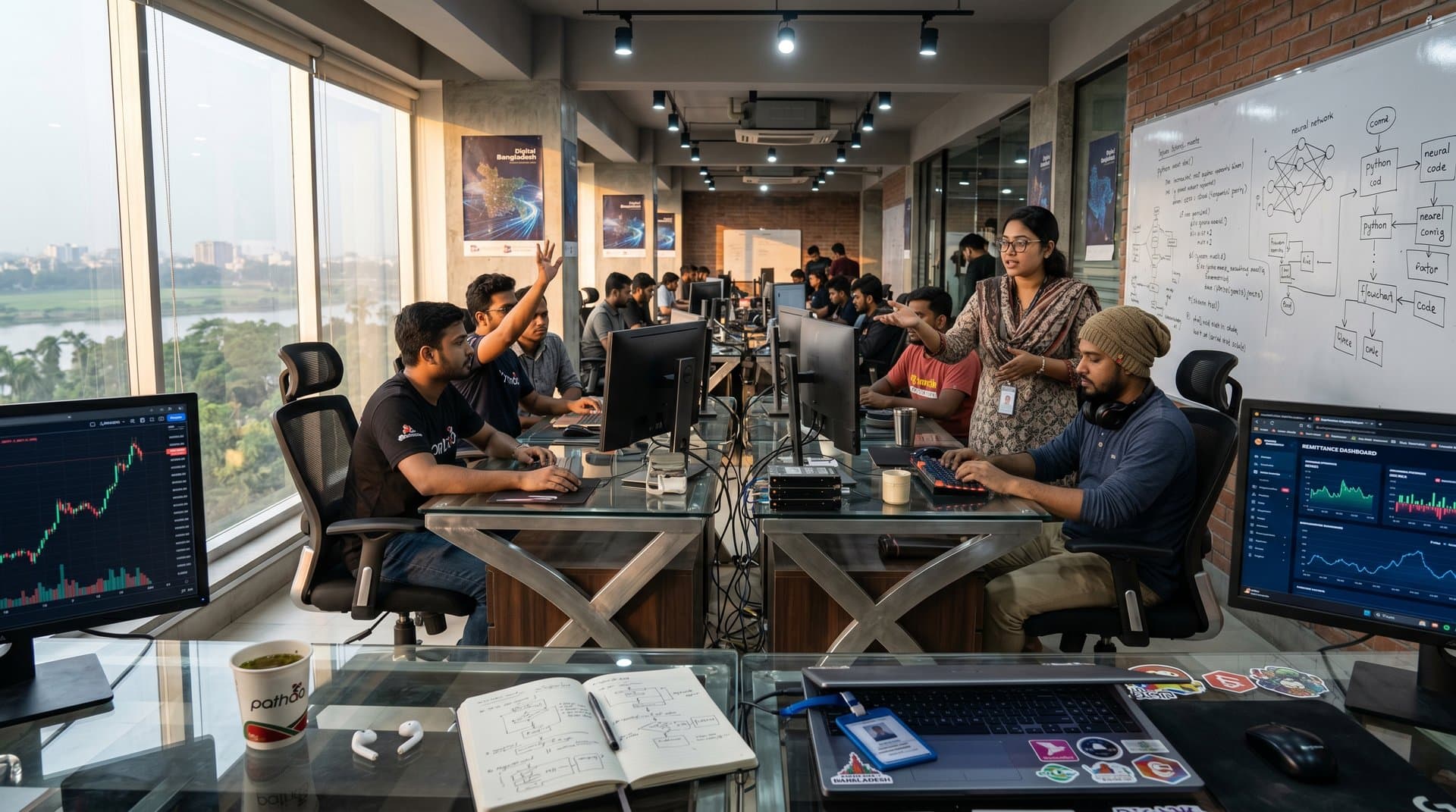
Bangladesh firms like Brain Station 23 customize OpenEMR for local needs. BUET's cybersecurity lab, led by Prof. Mohammad Salim, trains 500 specialists yearly on AI tools. Prof. Salim emphasized, "AI-driven detection is vital for our growing IT sector."
OpenEMR GitHub lists all advisories. Square Hospitals in Dhaka adopted patches first, per CTO Reza Karim, who stated, "We integrated fixes within 48 hours to secure patient flows."
BASIS reports 300 IT firms now offer AI security services, up 25% from 2025. This growth aligns with Digital Bangladesh 2026 goals, allocating BDT 500 crore for secure infrastructure per government budget documents.
Patch Strategies for Jessore Clinics and Diaspora Investors
Jessore clinics must download OpenEMR 8.0.1 patches immediately. Key steps: backup databases, apply updates via GitHub, test bKash APIs thoroughly.
Enable auto-updates and enroll in BASIS cybersecurity training programs. Khulna University Hospital invested BDT 2 crore in AI scanners post-alert, reducing vulnerability exposure by 90%.
Diaspora readers in Jackson Heights fund these upgrades via remittances. Secure EHRs protect investments in Bangladesh's USD 1.2 billion health tech market, per BIDA 2026 forecast. Cross-border finance corridors demand robust security.
Broader Implications for Bangladesh Digital Health
OpenEMR CVEs expose flaws in 60% of South Asian EHRs, per IDCOL study. Bangladesh leads with 45% rural penetration, driven by mobile financial services.
The government's e-Health platform, backed by BDT 1,000 crore, mandates patches. Nagad integrations require compliance to avoid fines up to BDT 5 lakh per violation.
AI defenses like AISLE position local firms competitively. Brain Station 23 secured USD 5 million funding in 2026 for vulnerability scanners, boosting exports to diaspora markets.
Forward momentum ensures OpenEMR CVEs do not derail growth. Clinics safeguard data, remittances flow securely, tech ecosystem thrives, and Bangladesh advances in global health IT.
Frequently Asked Questions
What are the 38 OpenEMR CVEs discovered by AISLE?
AISLE identified 38 OpenEMR CVEs in Q1 2026, including OpenSSL zero-days. They represent over half of GitHub advisories. CVE-2026-24908 rates CVSS 10.0.
How do OpenEMR CVEs affect Bangladesh healthcare?
Jessore and Khulna clinics use OpenEMR for EHR. Flaws risk data breaches in bKash-linked telemedicine. March 2026 patches fix most issues.
Why use AI for OpenEMR CVE detection?
AISLE's autonomous AI scans codebases faster than humans. It finds hidden flaws. Local firms like Brain Station 23 can deploy similar tools.
What steps fix OpenEMR CVEs in Bangladesh clinics?
Install OpenEMR 8.0 patches from March releases. Run AI audits. BASIS training ensures ONC-compliant security.