- 1. Wiz Research identified CVE-2026-3854 affecting 88% of GHES instances via git protocol flaws.
- 2. GitHub patched its platform in six hours; self-hosted GHES requires upgrade to 3.19.3.
- 3. Bangladesh bKash, Nagad, and esports face ML code leaks, risking BDT millions in remittances.
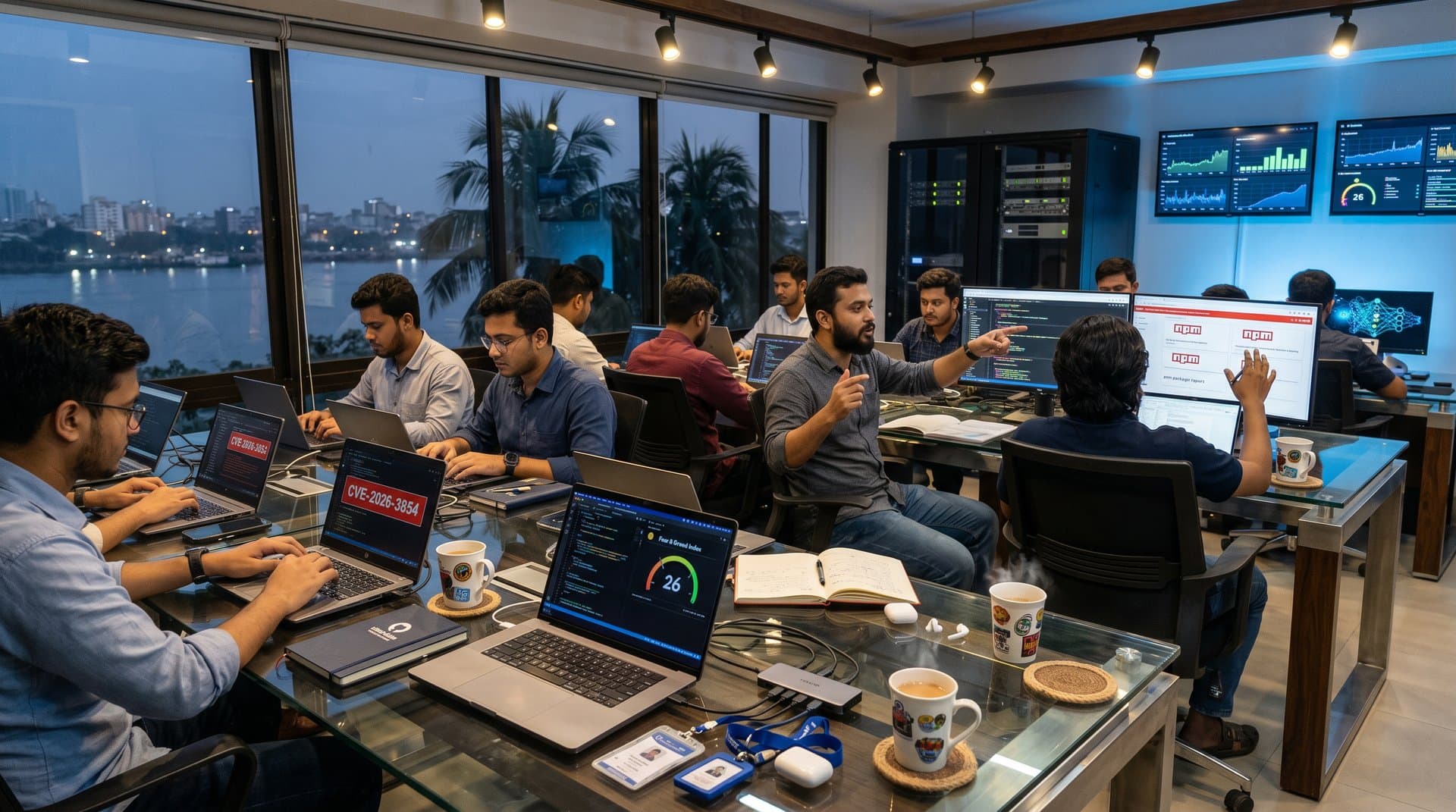
GitHub RCE vulnerability CVE-2026-3854 emerged on October 10, 2024, when Wiz Research disclosed it. The flaw in git protocol handling enables remote code execution, risking millions of repositories. GitHub patched GitHub.com in six hours, but self-hosted GitHub Enterprise Server (GHES) instances stay vulnerable.
Wiz scans show the vulnerability affects 88% of GHES instances worldwide. In Bangladesh, bKash and Nagad use GHES for AI-driven fraud detection in mobile wallets. Jessore esports developers store machine learning models for player analytics on these servers, serving local tournaments and diaspora leagues.
Technical Breakdown of GitHub RCE CVE-2026-3854
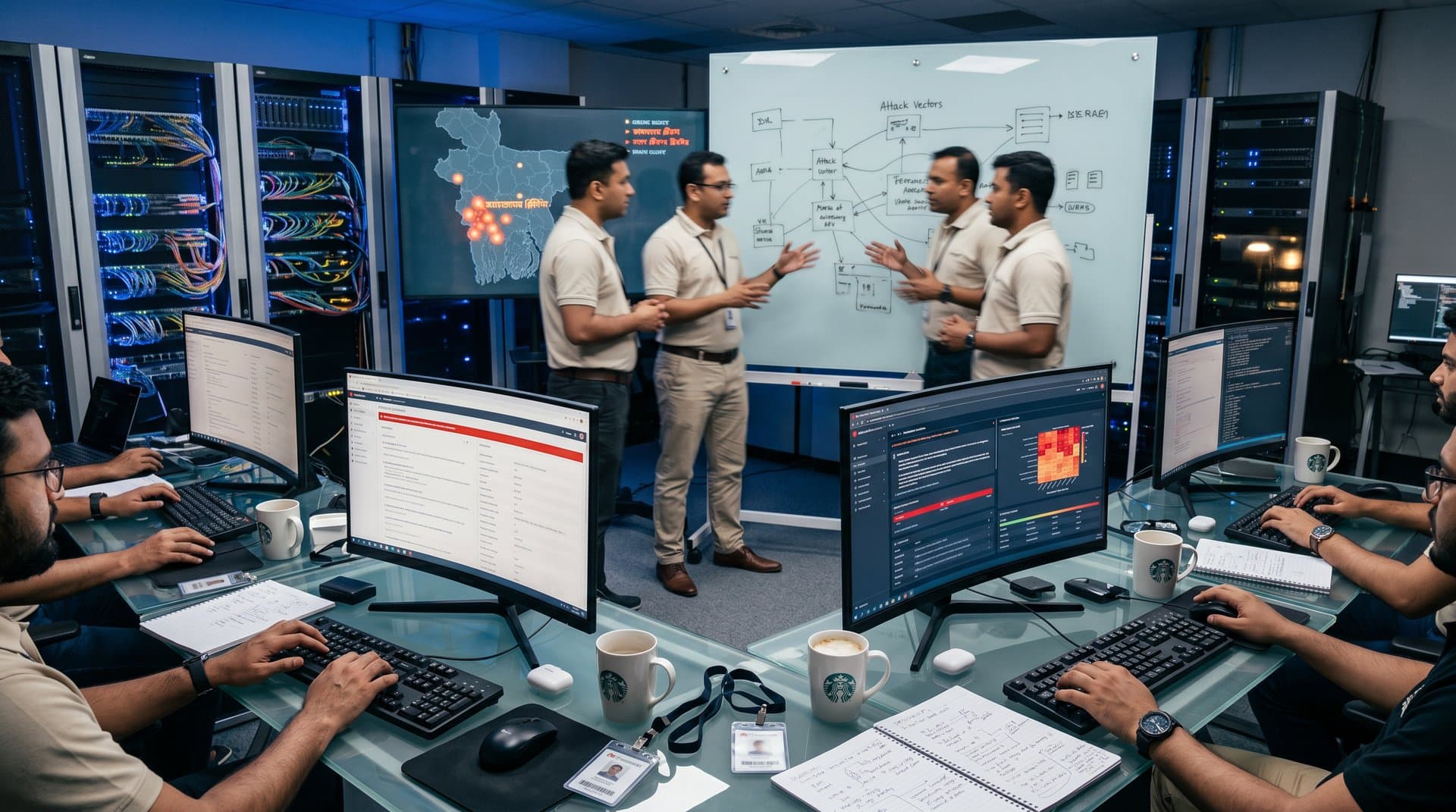
Attackers send malicious git protocol inputs to trigger code execution on GHES. This allows cross-tenant breaches and unauthorized repository access. Wiz researchers proved the exploit works across isolated organizations, as detailed in their blog post.
Bangladesh developers build 5G-integrated AI for fintech and esports. Fraud models process remittance data; anti-cheat algorithms analyze PUBG Mobile gameplay. BASIS estimates a breach could cost millions in BDT for R&D recovery, disrupting IT exports worth $1.4 billion USD in FY2024 per BIDA.
88% GHES Exposure Hits Bangladesh Tech
Admins run GHES versions before 3.19.3 without auto-patches. Rural Jessore faces internet outages that delay updates, exposing esports studios. Diaspora teams in London and New York manage Bangladesh GHES for cross-border projects.
Wiz offers a free Threat Center query for scans. GitHub's advisory outlines fixes. bKash processes BDT 1,700 crore ($20 billion USD) in remittances yearly, per Bangladesh Bank 2024 data. Exposed ML pipelines endanger transactions.
Nagad employs ML for real-time fraud checks. RCE risks siphon customer data. PUBG Bangladesh teams face tampering in game logic. Jessore universities use GHES for crop prediction AI, supporting agriculture fintech and BDT 500 crore yields, per BBS reports.
Official Responses from GitHub and Bangladesh
GitHub CISO Alexis Wales said, "GitHub greatly appreciates the collaboration with Wiz," per the Wiz blog. GitHub paid a top bug bounty. Bangladesh Bank Governor Abdur Rahman Sarker stressed cybersecurity in September 2024, noting $22.1 billion USD remittances in FY2024.
BTRC urges audits amid digital banking growth. BASIS President Russell T. Ahmed advocates local scanners in interviews.
Urgent Patching Guide for Bangladesh Users
Upgrade GHES to 3.19.3 immediately. Run Wiz scans. GitHub.com users stay safe. Jessore hubs suggest air-gapped updates for spotty networks.
Implications for Diaspora and Local Tech
Remittances drive 6% of Bangladesh GDP, per World Bank. Secure GHES protects AI/ML in fintech, esports, and ITES. Early Wiz adoption boosts Bangladesh as cybersecurity hub. Patches ensure growth in $1.4 billion exports, linking Jessore coders to global markets.
Frequently Asked Questions
What is GitHub RCE vulnerability CVE-2026-3854?
CVE-2026-3854 is a remote code execution vulnerability in GitHub's git protocol handling. Disclosed by Wiz on October 10, 2024, it exposes repositories to arbitrary code execution.
How does GitHub RCE vulnerability CVE-2026-3854 affect Bangladesh fintech?
It impacts 88% of GHES servers used by bKash and Nagad for AI/ML apps. Remittance and fraud detection pipelines risk exposure; patch to GHES 3.19.3.
Why are 88% of GitHub Enterprise Servers vulnerable to CVE-2026-3854?
Pre-3.19.3 self-hosted GHES versions lack the fix. Rural Bangladesh delays exacerbate risks; Wiz scans confirm widespread exposure.
How to fix GitHub RCE vulnerability CVE-2026-3854?
Upgrade GHES to 3.19.3 or later. Use Wiz Threat Center query for scans. GitHub.com users are already protected.