- 1. Wisconsin law mandates kiosk fee displays and ID checks over $2,000.
- 2. BTC at $76,181; Fear Index at 26 signals caution for Jessore traders.
- 3. Underground scams charge 15%+ on remittances; model protects diaspora funds.
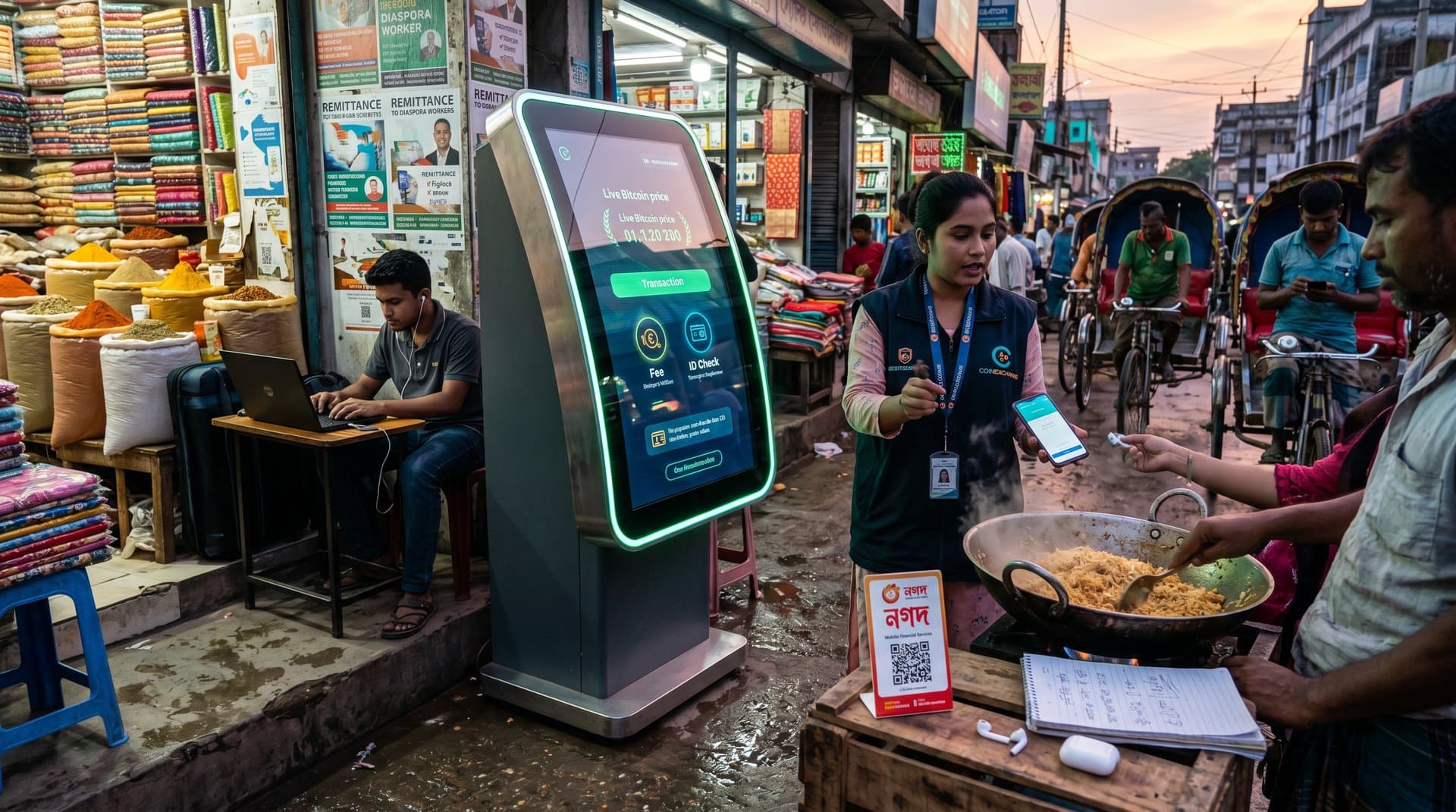
Governor Tony Evers signed Wisconsin's crypto kiosk law on April 19, 2024. The measure, Assembly Bill 1134 led by Advocate Mary Arnold, requires upfront fee displays and ID verification for transactions exceeding $2,000. Bitcoin traded at $76,181, according to CoinGecko data.
This regulation addresses abuses in Bitcoin Teller Machines (BTMs). Jessore confronts parallel issues with underground kiosks despite Bangladesh Bank's crypto ban. Diaspora remittances reached $21.77 billion in FY23, per Bangladesh Bank reports.
Key Provisions of Wisconsin Crypto Kiosk Law
Operators register with the Wisconsin Department of Financial Institutions (DFI). They must show all fees, including spreads, before any transaction. Customers get detailed receipts outlining costs. Mary Arnold highlighted scams targeting seniors during testimony, gaining bipartisan backing.
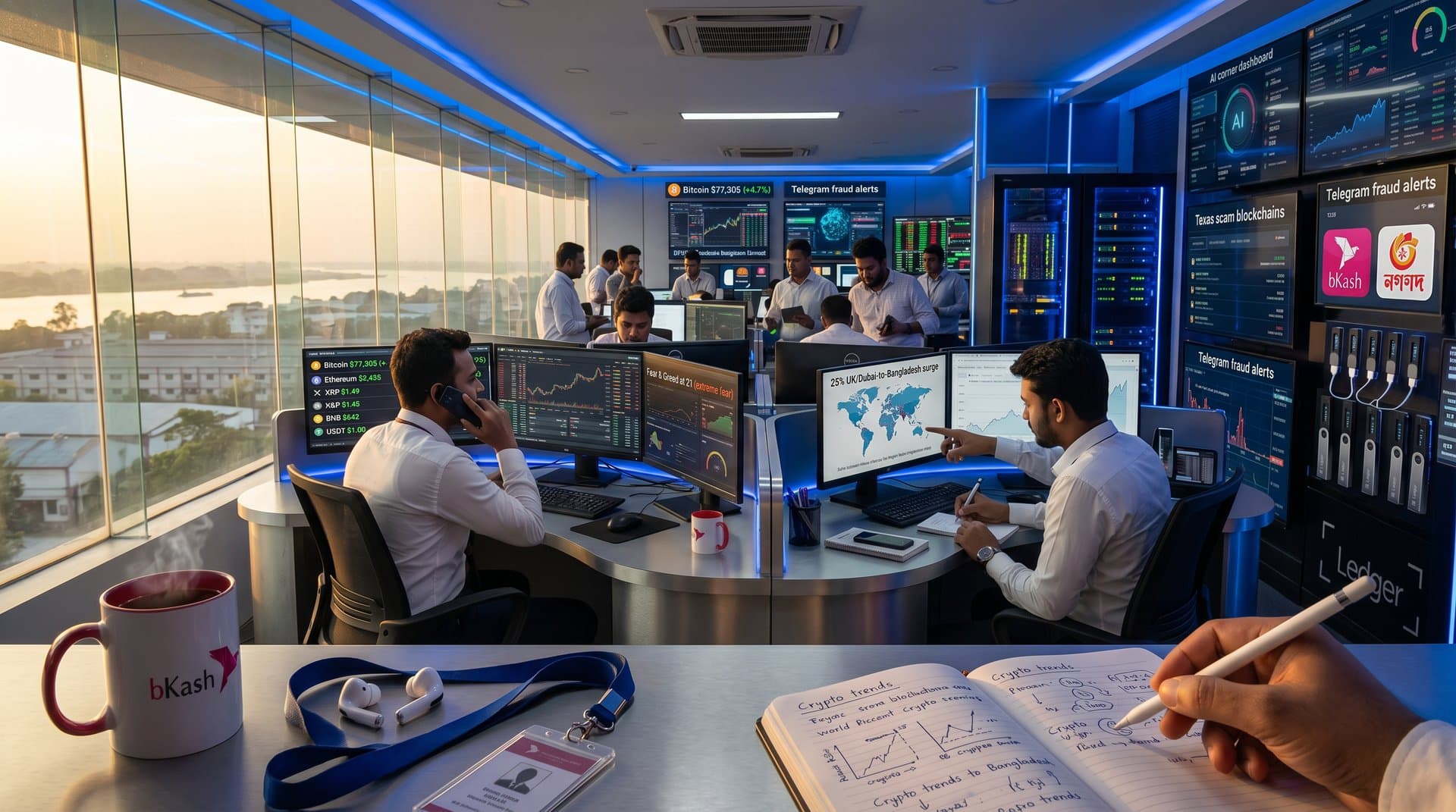
Reuters coverage notes a surge in U.S. state-level kiosk rules. CoinGecko reports BTC market dominance at 56%. Ethereum stood at $2,357.32, up 0.2%. XRP dropped to $1.44, down 0.8%. The Crypto Fear & Greed Index hit 26, signaling fear, via Alternative.me.
Kiosks link users to exchanges like Coinbase via QR codes. They scan wallets and convert crypto to fiat currencies, including taka equivalents for Bangladeshi users.
Jessore's Underground Crypto Kiosk Challenges
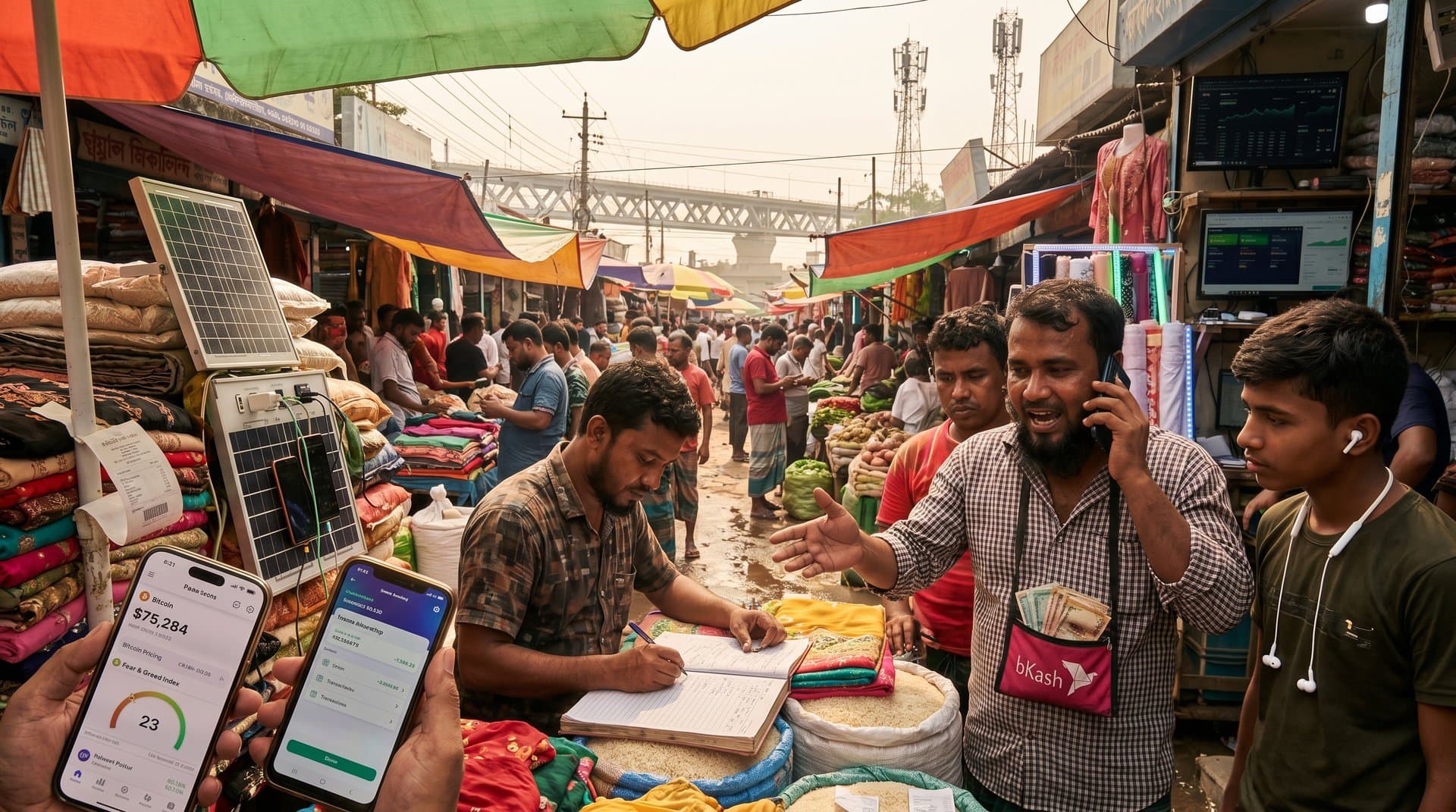
Jessore merchants impose 10-20% hidden fees on informal BTMs. These erode remittances from Middle East garment workers and UK-based freelancers. Bangladesh Bank confirms $21.77 billion inflows in FY23, supporting Jessore's agriculture and rural economy.
Scammers in Jessore markets masquerade as licensed agents. Victims exchange USDT for taka at inflated rates through Binance P2P. Bangladesh Bank issues fraud warnings, but rural enforcement lags. Bangladesh Bureau of Statistics (BBS) data shows Jessore remittances rose 12% year-over-year in 2023.
Unregulated operations risk financial stability. Diaspora communities in Jackson Heights, New York, and London rely on informal channels. Oversight gaps worsen losses, even as BNB climbed to $634.50 (up 0.3%) and USDT stayed at $1.00.
Remittance Flows Fuel Jessore Crypto Demand
Garment workers send funds via bKash and Nagad mobile wallets. Crypto kiosks bridge gaps amid the ban. Bangladesh Investment Development Authority (BIDA) reports 18% growth in IT outsourcing for 2023, spurring freelancer crypto adoption.
Jessore serves as a hub for taka conversions among e-commerce sellers. Underground premiums top 15%. The Fear & Greed Index at 26 reflects trader caution. Regulated kiosks could use national IDs for robust KYC compliance.
Prothom Alo investigations reveal over 5,000 scam complaints in Khulna division last year, linking to crypto frauds. Chainalysis reports estimate $100 million in illicit flows through South Asian P2P platforms annually.
Policy Lessons from Wisconsin for Jessore
Wisconsin strikes a balance between innovation and protection. Jessore could adopt app-based fee disclosures. Bangladesh Bank tests fintech sandboxes for remittance innovations.
Regulated BTMs might integrate with bKash for blockchain-transparent ledgers. Khulna division's crypto activity calls for safer channels. The EU's MiCA framework inspires potential 2026 reforms in Bangladesh.
Public-private partnerships could register operators nationwide. Chainalysis tools track illicit transactions, according to their 2024 Crypto Crime Report. Dhaka universities now offer DeFi risk training programs.
Tech Solutions to Secure Jessore Remittances
AI algorithms scan kiosk transactions for anomalies. Ethereum smart contracts automatically cap fees. Jessore startups develop compliant wallets tailored for diaspora users.
5G networks enable real-time verifications. BIDA data pegs IT/ITES exports at $1.4 billion in 2023. Regulated kiosks safeguard the $22 billion remittance corridor.
Bangladesh Bank oversees cross-border flows closely. Wisconsin's model provides a practical blueprint. Jessore advances toward resilient crypto ecosystems serving global Bangladeshis. Diaspora readers in the U.S. and UK can advocate for similar protections back home, ensuring funds reach families securely.
Frequently Asked Questions
What does Wisconsin's crypto kiosk law require?
Upfront fee displays, ID verification over $2,000, operator registration, and detailed receipts protect users from scams.
How does this law help Jessore remittances?
Models fee transparency to cut 15% underground premiums. Diaspora gains safer channels linked to bKash.
Why do kiosks rise in Jessore?
Remittance demand despite bans. BTC at $76,181 draws users; scams exploit unregulated fees.
What is the Crypto Fear & Greed Index?
At 26 in fear territory, it tracks volatility and sentiment. Relevant to Bangladesh shadow trades.