- 1. US Army AI cyber defense exercise trains 50+ leaders amid BTC at $80,157 (CoinGecko).
- 2. Bangladesh secures $22B remittances with bKash AI defenses (Bangladesh Bank, 2023).
- 3. Fear & Greed Index at 50 signals need for tabletop cyber drills.
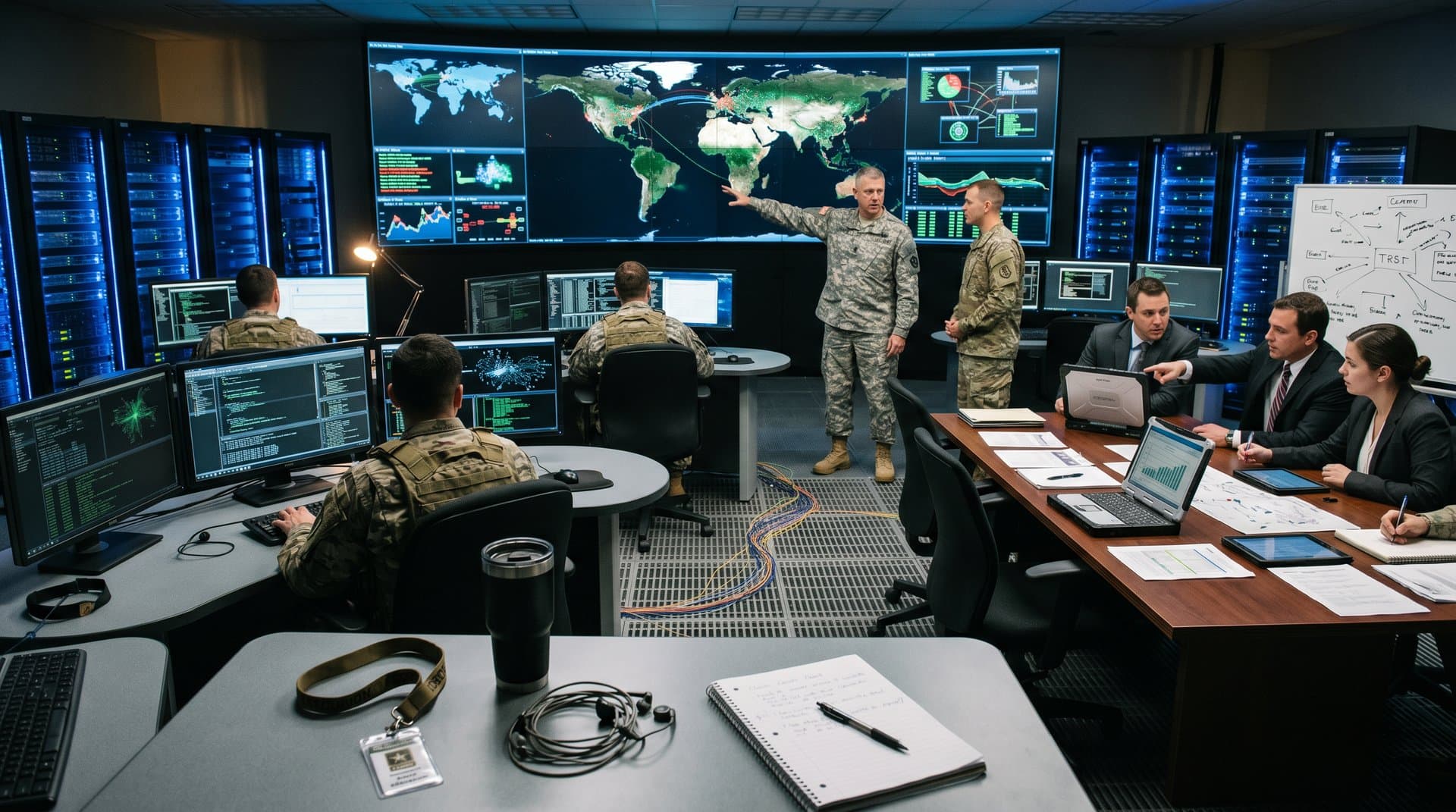
US Army's AI cyber defense exercise convened over 50 industry leaders on April 5, 2024. Participants simulated advanced persistent threats using AI detection tools. These defenses mounted rapid responses against intrusions. Bangladesh applies these tactics to protect $22 billion annual remittances (Bangladesh Bank, 2023).
Bitcoin trades at $80,157, up 2.2% today with a $1,605 billion market cap (CoinGecko, April 9, 2024). Ethereum holds steady at $2,358, up 1.9% with $284.7 billion cap. The Fear & Greed Index remains neutral at 50 (Alternative.me, April 9, 2024). Crypto swings heighten risks to Bangladesh's remittance corridors.
Tabletop Exercises Boost US Army AI Cyber Defense
Tabletop exercises dissect attacks without live risks. US Army Cyber Command fuses AI for swift decisions (US Army report, April 8, 2024). Experts launched machine learning models. Teams tested anomaly detection across mock networks mimicking bKash transaction volumes.
Bangladesh Bank logged 284 cyber incidents in 2023 (Bangladesh Bank Annual Report 2023). AI processes vast data from bKash's 70 million users and Nagad's platforms. Local regulators schedule tabletop drills to shield these services.
Bangladesh Leverages AI Cyber Defense Exercise Insights
Bangladesh receives $22 billion in remittances yearly, equivalent to 2.4 trillion BDT (Bangladesh Bank, 2023). Hackers exploit phishing and malware to siphon funds. The exercise spotlights AI threat hunting for mobile banking apps like bKash and Nagad.
Diaspora workers in the UK, Saudi Arabia, and US Gulf states remit $10 billion annually via mobile wallets. In New York's Jackson Heights, Bangladeshi communities wire funds home securely. Jessore's rural banks digitize services. Khulna farmers rely on agrotech apps exposed to breaches. AI defenses extend to these remote zones.
Garment exports hit $47 billion in 2023 (BIDA, 2023), powering 4 million jobs. Supply chains integrate IoT sensors for tracking. AI firewalls repel ransomware assaults on factory servers in Gazipur and Narayanganj.
Bangladesh Adopts US Army AI Cyber Defense Tactics
Bangladesh Army inks AI pacts with local startups like Pathao Tech. Tabletop drills deliver high impact at low cost. Teams build custom models using TensorFlow and PyTorch frameworks.
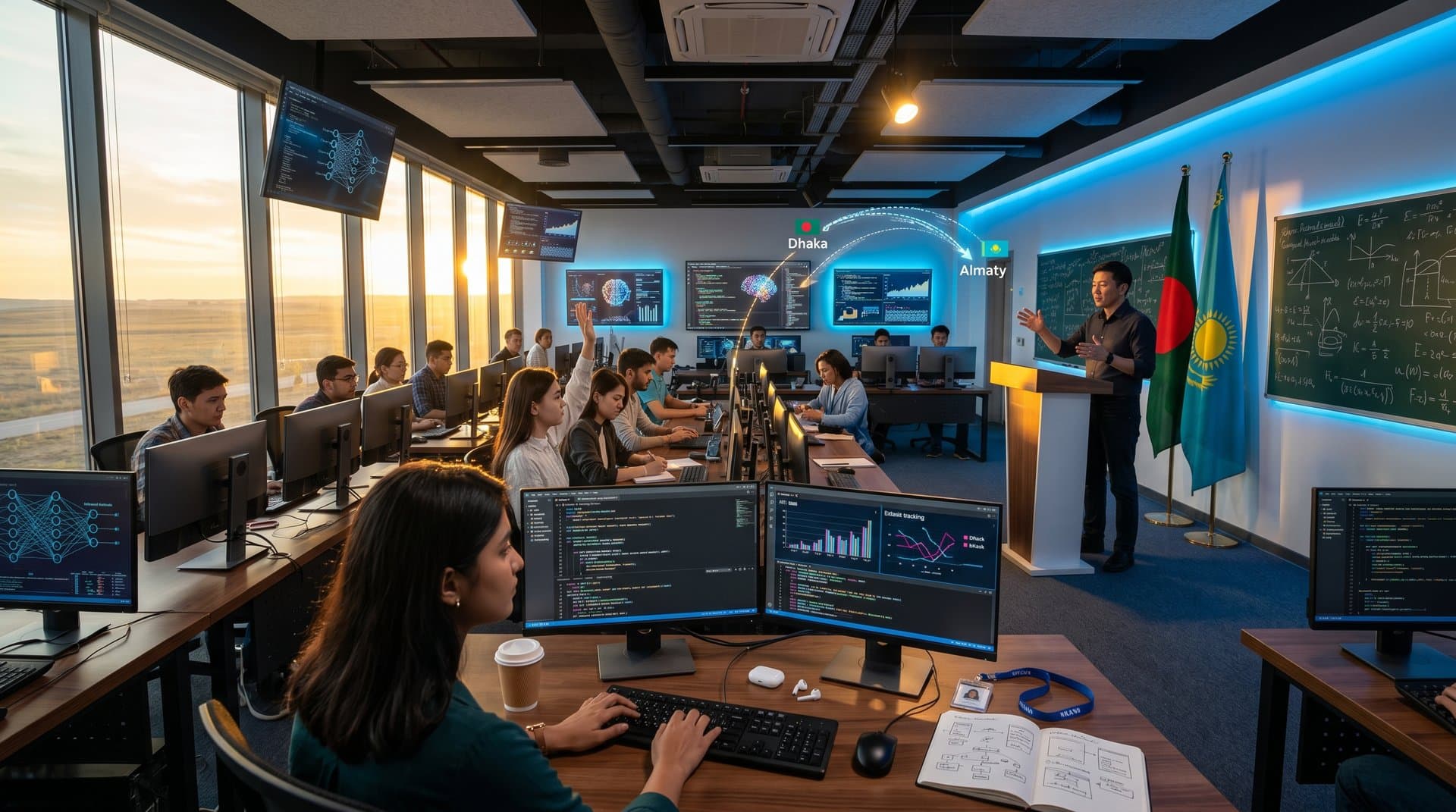
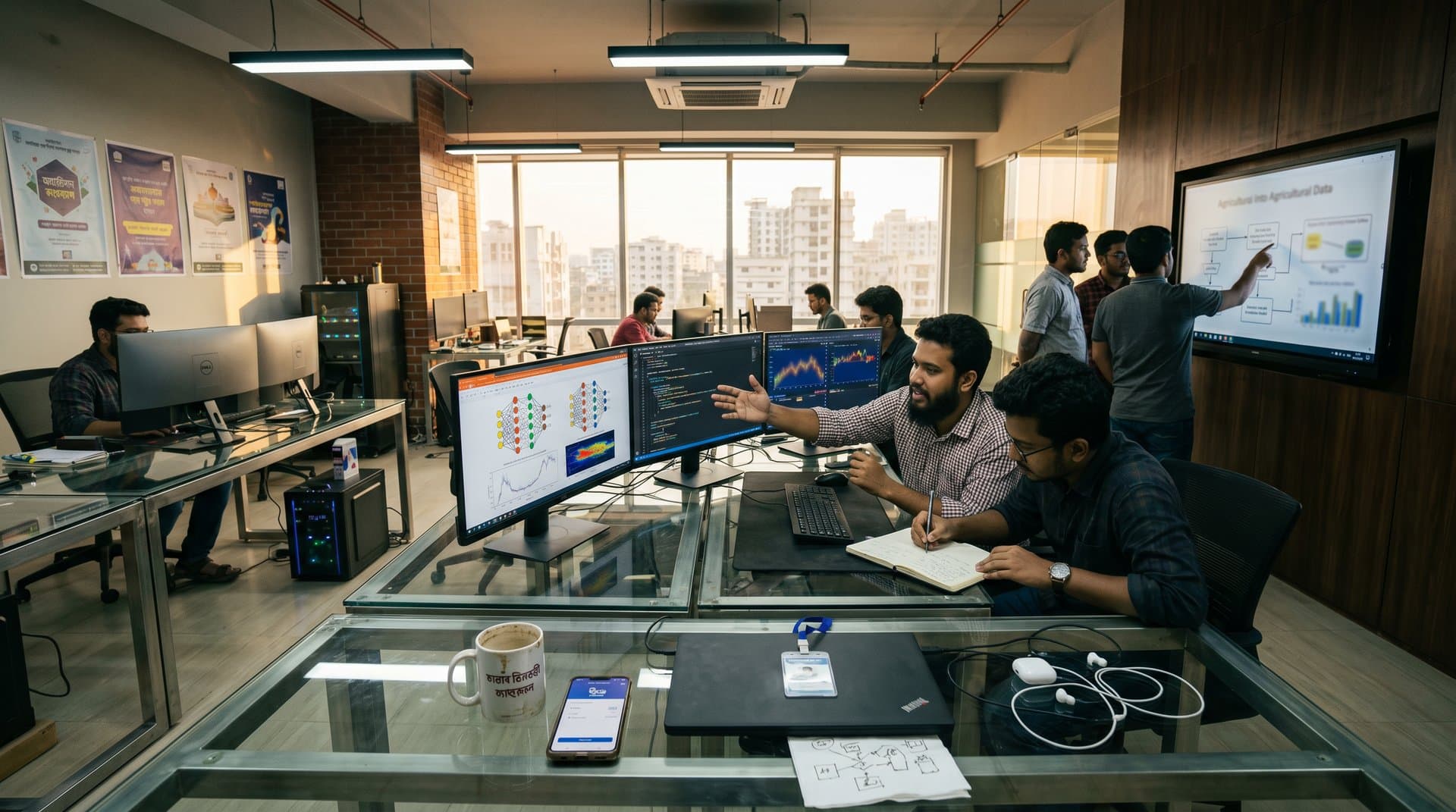
Fintech giants bKash and Nagad collaborate with Dhaka University. Jessore's emerging tech hubs train 500 cybersecurity specialists each year. Public-private partnerships echo US Army strategies, fostering national resilience.
Neutral Fear & Greed Index at 50 demands vigilance (Alternative.me, April 9, 2024). Stable crypto markets conceal sophisticated threats from nation-state actors.
Core AI Technologies from Cyber Defense Exercise
Generative AI mimics hacker playbooks for realistic simulations. Reinforcement learning refines response algorithms dynamically. Quantum-resistant encryption thwarts tomorrow's decryption attacks.
Blockchain logs threats immutably across networks. Bangladesh remittances integrate it for real-time fraud alerts. AI detects odd patterns in cross-border transfers within seconds, vital for Gulf-to-Jessore flows.
US Army specialists endorsed hybrid AI models blending supervised and unsupervised learning (US Army report, April 8, 2024).
Fortifying Bangladesh's Digital Economy with AI
The AI cyber defense exercise sets global standards Bangladesh adapts for garment IoT, health records, and e-governance. bKash reports 1.5 billion transactions in FY23, all ripe for AI monitoring (bKash Annual Report 2023).
Jessore's new fiber optic networks require AI safeguards. Diaspora remittances from Jackson Heights flow uninterrupted. Chittagong ports install AI systems for trade data.
State-sponsored threats loom next. Bangladesh allocates $50 million to cyber funds (BIDA, 2024). Local teams launch their first tabletop exercise in June 2024, ensuring secure growth for IT exports targeting $2 billion by 2025 (BASIS, 2024).
Frequently Asked Questions
What is a US Army AI cyber defense exercise?
US Army AI cyber defense exercise is a tabletop simulation where leaders discuss responses to cyber threats using AI tools. It tests detection and mitigation strategies. Industry input refines military protocols.
How does AI cyber defense exercise benefit Bangladesh security?
AI cyber defense exercise provides models for Bangladesh to protect banking and remittances. It addresses threats to digital infrastructure like bKash. Local forces can run similar drills for national grids.
Why is AI cyber defense exercise relevant amid BTC $80,157?
AI cyber defense exercise safeguards assets like Bitcoin at $80,157 with $1,605B market cap. Neutral Fear & Greed Index 50 signals steady markets vulnerable to hacks. Blockchain needs AI threat hunting.
What AI technologies feature in cyber defense tabletops?
Cyber defense tabletops explore machine learning for anomaly detection and generative AI for attack simulation. Reinforcement learning optimizes defenses. Quantum-resistant methods prepare for future threats.