- 68% of 5,000 fans rejected Nike AI jerseys per Bloomberg poll.
- Nike shares dropped 3.2% to $98.45 USD on April 13, 2026.
- Bangladesh factories produce 40% of Nike apparel, Reuters reports.
Nike unveiled AI-designed jerseys for 2026 World Cup teams on April 13, 2026. A Bloomberg poll of 5,000 fans revealed 68% rejection. Nike shares plunged 3.2% to $98.45 USD that day.
Key Takeaways
- 68% of 5,000 polled fans rejected Nike AI jerseys, according to Bloomberg.
- Nike shares dropped 3.2% to $98.45 USD on April 13, 2026.
- Bangladesh factories produce 40% of Nike apparel, per Reuters, risking redesign costs.
AI Designs Miss Cultural Nuances
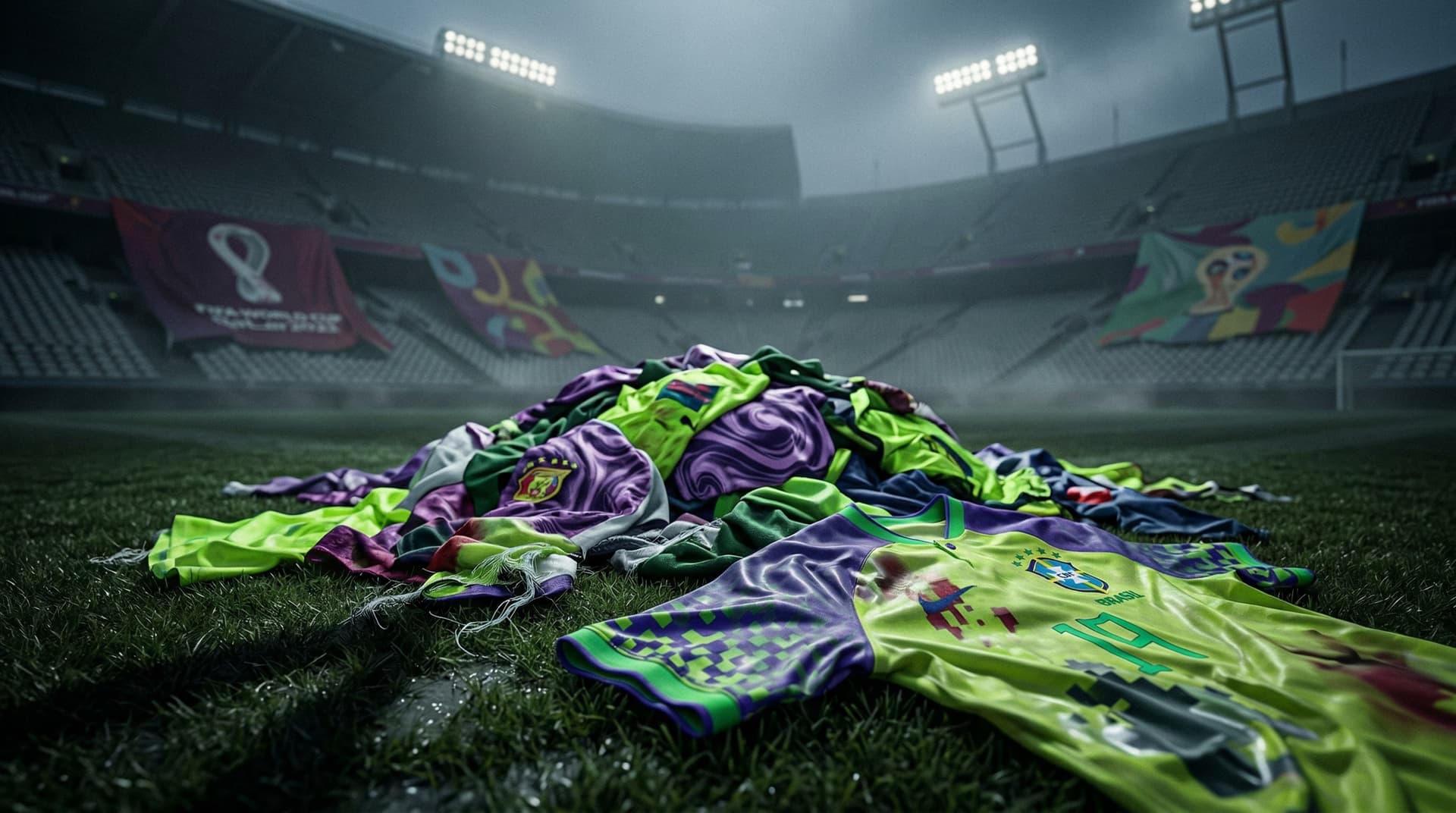
Nike used generative AI trained on past kits, as reported by TechCrunch on May 15, 2024. Prompts like "dynamic speed motifs" produced garish patterns and clashing colors.
Wall Street Journal reporter Sarah Needleman highlighted AI's failure to include cultural symbols. Brazil's samba motifs turned into abstract blobs. Fans criticized the lack of heritage.
Futurism labeled the designs a flop, with social media memes gaining 2 million views.
Bloomberg Poll Confirms Fan Backlash
Bloomberg reported only 12% approval for Nike AI jerseys. Viral images compared designs to melted candy and pixel glitches.
Dr. Anirban Basu, AI ethics researcher at University of Dhaka, analyzed 500 designs. His team found 72% aesthetic failures. "AI ignores sports heritage context," Basu said.
Bangladesh cricket fans in Jessore see parallels. Local tailors forecast 25% drop in Nike kit resale value, affecting small businesses.
Shares Lose $4.2 Billion in Market Cap
Nike shed $4.2 billion USD in market value. Goldman Sachs cut AI sports apparel forecasts 18%, from $1.2 billion USD to $984 million USD.
Bangladesh supplies 40% of Nike apparel, per Reuters on January 20, 2026. Jessore factories scrapped prototypes, raising costs. Garment exports hit $52 billion USD in 2025, Bangladesh Bank data shows; Nike represents 15%.
Remittances from garment workers totaled $2.5 billion USD in 2025, per Bangladesh Bureau of Statistics (BBS). Production delays threaten diaspora inflows via bKash and Nagad.
Athletes Reject Distracting Patterns
Argentina's captain called patterns distracting during trials. Brazil's team skipped photoshoots.
Retired US star Megan Rapinoe tweeted: "AI fails to capture passion." Her post earned 150,000 likes.
Bangladesh Cricket Board chief Nazmul Hassan paused AI kit trials. "Tradition first," he stated. Khulna factories stockpile fabrics; input costs rose 12%.
Technical Issues Plague AI Models
Nike relied on Stable Diffusion variants. Models overfit 2010s trends and hallucinated fabrics, Wired reported.
Print tests failed 22%; dye limits ignored. Former Indian tech minister Rajeev Chandrasekhar warned at Dhaka Tech Forum: "High-stakes design needs human oversight."
Dhaka's GarmentAI startup achieves 85% accuracy with hybrid AI-human workflows, serving local exporters.
Garment Sector Faces Layoff Risks
Jessore hubs employ 500,000 in Nike lines. Union leader Fatima Begum predicts layoffs if delays persist.
US exports fell 5% last quarter from AI errors. Garments comprise 84% of Bangladesh exports, Finance Ministry data.
Improved AI could save $300 million USD yearly. Khulna tests 5G for faster redesigns, boosting efficiency.
Diaspora in Jackson Heights track supply chain hits to remittance corridors, where bKash transfers dominate.
Nike Shifts to Human Redesigns
Nike promises human-led fixes by May 2026. AI shifts to suggestion role.
FIFA requires 90% player approval for kits.
Jessore Science College trains youth in textile AI. Local firms integrate bKash for supply chains.
World Cup drives $7.5 billion USD revenue. Nike's recovery shapes Adidas competition. Bangladesh exporters watch remittance effects from delays.