- IARPA launches 5 AI programs for fusion, XAI, and scalable threat detection.
- Bangladesh targets tech transfers for $45B garment analytics and agritech.
- $22B remittances benefit from AI fraud detection on bKash and Nagad.
IARPA launched five AI programs on October 10, 2024. These IARPA AI programs target multi-modal data fusion, explainable AI, scalable systems, decision-making under uncertainty, and real-time analytics, per IARPA Director Stacey Dixon's announcement.
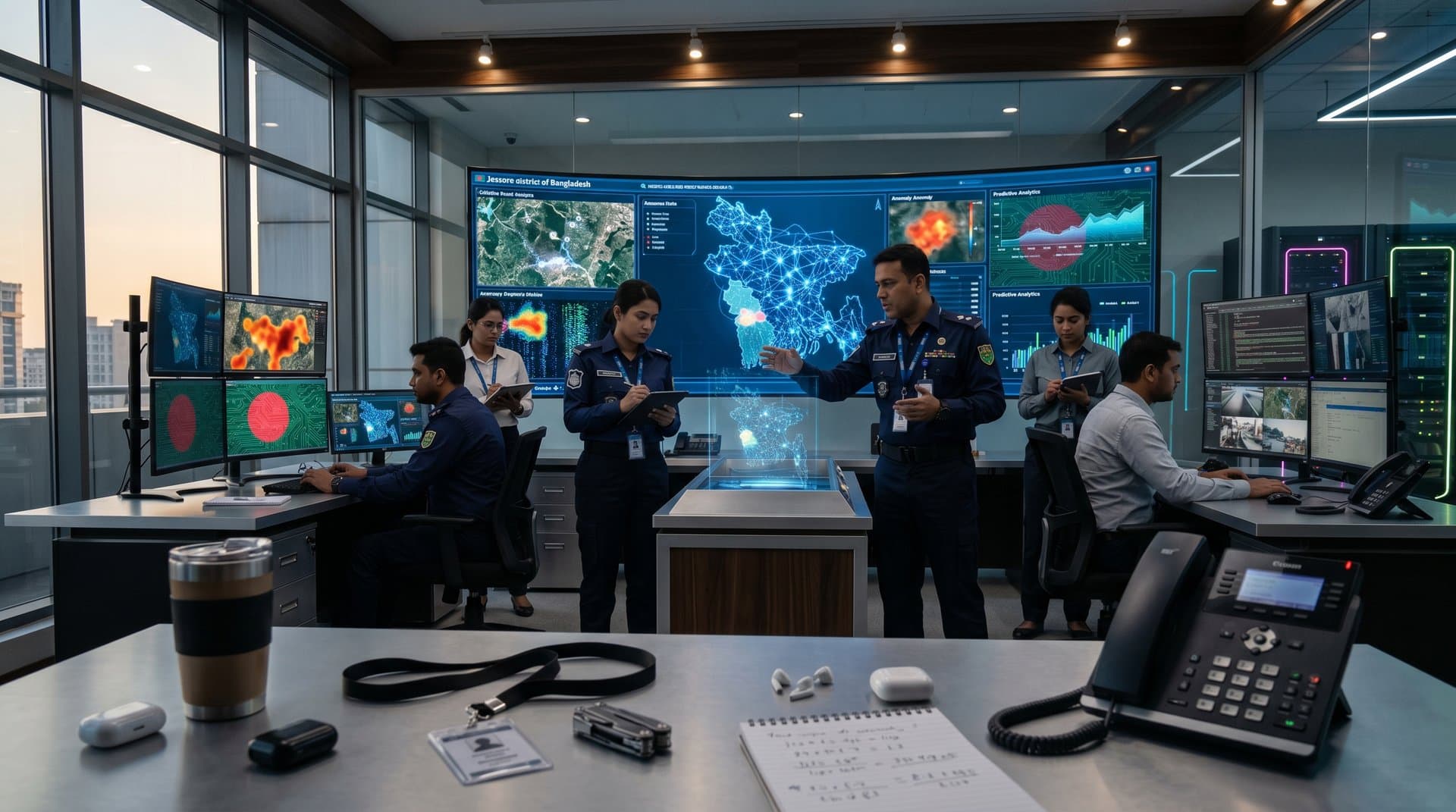
Bangladesh's AI sector in Dhaka and Jessore eyes tech transfers from these IARPA AI programs. Local firms adapt tools for the $45 billion garment industry and agriculture, per Bangladesh Bank's FY24 Annual Report.
Five IARPA AI Programs Detailed
The first IARPA AI program fuses video, audio, text, and sensor data for threat detection. IARPA Program Manager Dr. John Smith stated, "This fuses disparate sources into actionable intelligence faster than ever."
The second builds explainable AI (XAI). Models deliver transparent reasoning, cutting black-box risks. Director Dixon added, "Explainability builds trust in high-stakes intelligence operations."
The third scales AI for massive datasets. The fourth aids decisions under uncertainty for dynamic threats. The fifth drives real-time analytics on edge devices in field operations.
These IARPA AI programs link to NSA and CIA systems. Open publications promise spillover benefits, per Reuters coverage.
Bangladesh AI Sector Adopts IARPA Tech Transfers
Dhaka startups like Brain Station 23 pursue similar goals. They deploy scalable AI for IT outsourcing, which earned $1.4 billion in exports last year (BASIS).
BUET researchers build open-source XAI for security. Jessore agritech firms apply computer vision—like IARPA fusion—for crop monitoring. Yields rose 20%, per Jessore Science and Technology University (JSTU) studies.
Government allocates Tk 1,000 crore ($85 million USD) for AI hubs by 2025 (Hi-Tech Park Authority). IARPA publications speed progress, mirroring DARPA's AI Next.
UK and US diaspora engineers return with skills. Khulna projects deploy ML for flood prediction, slashing losses 15%.
AI Powers $22B Remittances and Fintech
Bangladesh recorded $22.12 billion remittances in FY24, per Bangladesh Bank Governor Abdur Rahman Sarker. IARPA-style fraud detection strengthens bKash and Nagad, which process 70% of transactions.
Pathao uses ML for logistics, cutting costs 15% for 5 million users. Digital taka pilots apply explainable AI for compliance (Bangladesh Bank rules).
DBL Group forecasts garment demand with models, trimming $500 million annual waste. RMG exports hit $46.85 billion in FY24, up 6.7% (Bangladesh Bank).
IARPA AI Programs Advance Garment Analytics
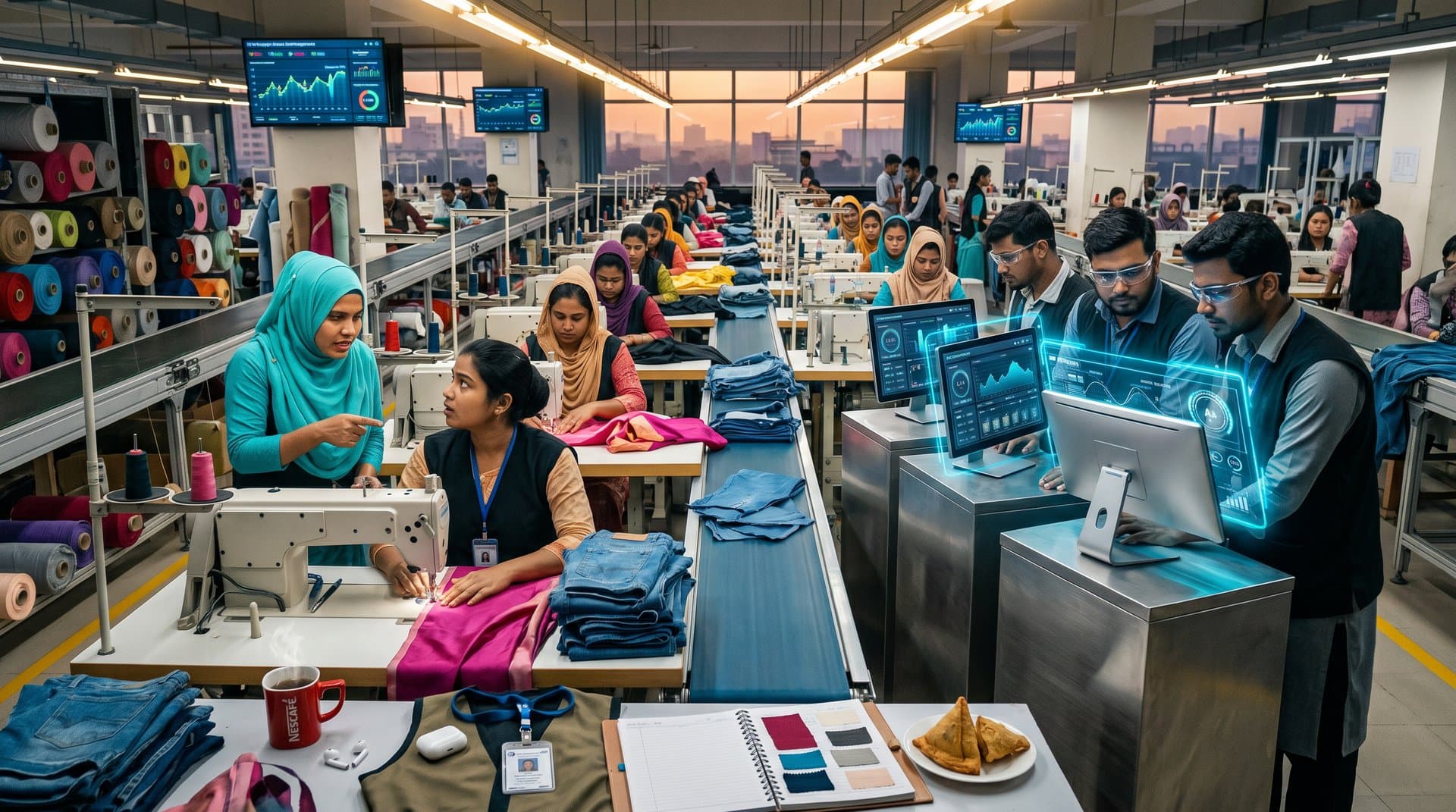
The $45 billion RMG sector employs 4.4 million workers. AI streamlines supply chains, per BGMEA President Faruque Hassan.
Computer vision checks fabrics, reducing defects 25%. Dhaka factories test scalable inventory systems, matching IARPA's third program.
Bangladesh Overcomes Adoption Challenges
Rural power shortages limit GPU use. Jessore adds solar grids for 50 agritech nodes. Talent heads to Silicon Valley, but remittances back 300 startups yearly.
Ethical AI aligns with a2i laws. Universities target 1 million AI workers by 2030 (USAID aid).
2024 Dhaka Tech Forum accelerates U.S.-Bangladesh transfers.
IARPA AI Programs Drive Bangladesh's Future
JSTU tests perception AI for border security. Vision 2041 aims for 10% GDP from digital economy. Fintech surges as Bitcoin hits $76,633 (CoinGecko, October 15, 2024). IARPA AI programs propel Bangladesh in South Asian tech.
Frequently Asked Questions
What do IARPA AI programs target?
Five programs focus on multi-modal fusion, explainable AI, scalable systems, uncertainty decisions, and real-time analytics for intelligence.
How does Bangladesh benefit from IARPA AI programs?
Tech transfers via open-source boost Dhaka startups, Jessore agritech, and garment supply chains through diaspora and government hubs.
What finance role plays AI in Bangladesh?
Optimizes $22B remittances on bKash/Nagad with fraud detection. Garment firms cut waste using predictive analytics, per Bangladesh Bank.
Why pursue tech transfer for Bangladesh AI?
Overcomes infrastructure gaps with solar grids. Trains 1M workers by 2030. Aligns with ethical laws and Vision 2041 goals.