- Gallup poll indicates 52% of U.S. employees avoid AI tools despite 30% usage rise.
- Bangladesh garment workers show 65% hesitancy rate per BGMEA surveys.
- Bangladesh Bank data shows hesitancy stalls $21.7B remittances growth.
Key Takeaways
- Gallup poll shows 52% of U.S. employees avoid AI tools despite 30% usage rise.
- Bangladesh garment workers report 65% hesitancy per BGMEA survey.
- Bangladesh Bank data ties hesitancy to stalled $21.7B remittances growth.
AI workplace hesitancy strikes 52% of U.S. employees despite a 30% usage rise. Gallup's April 13, 2024, poll surveyed 5,000 workers. Chief Scientist Jim Harter blames privacy fears and skill gaps. Bangladesh's RMG sector echoes this trend. (32 words)
Gallup Poll Exposes AI Workplace Hesitancy Drivers
Job loss fears dominate at 42%, Gallup reports. Training shortages hit 38% of respondents. AI users gain 25% productivity; non-users lag. Firms with training programs see 20% higher adoption, Harter notes.
Gallup's data highlights trust issues: 35% fear data misuse. U.S. firms like Microsoft report similar patterns in employee surveys. Gallup.
Bangladesh Labor Resists AI in RMG Sector
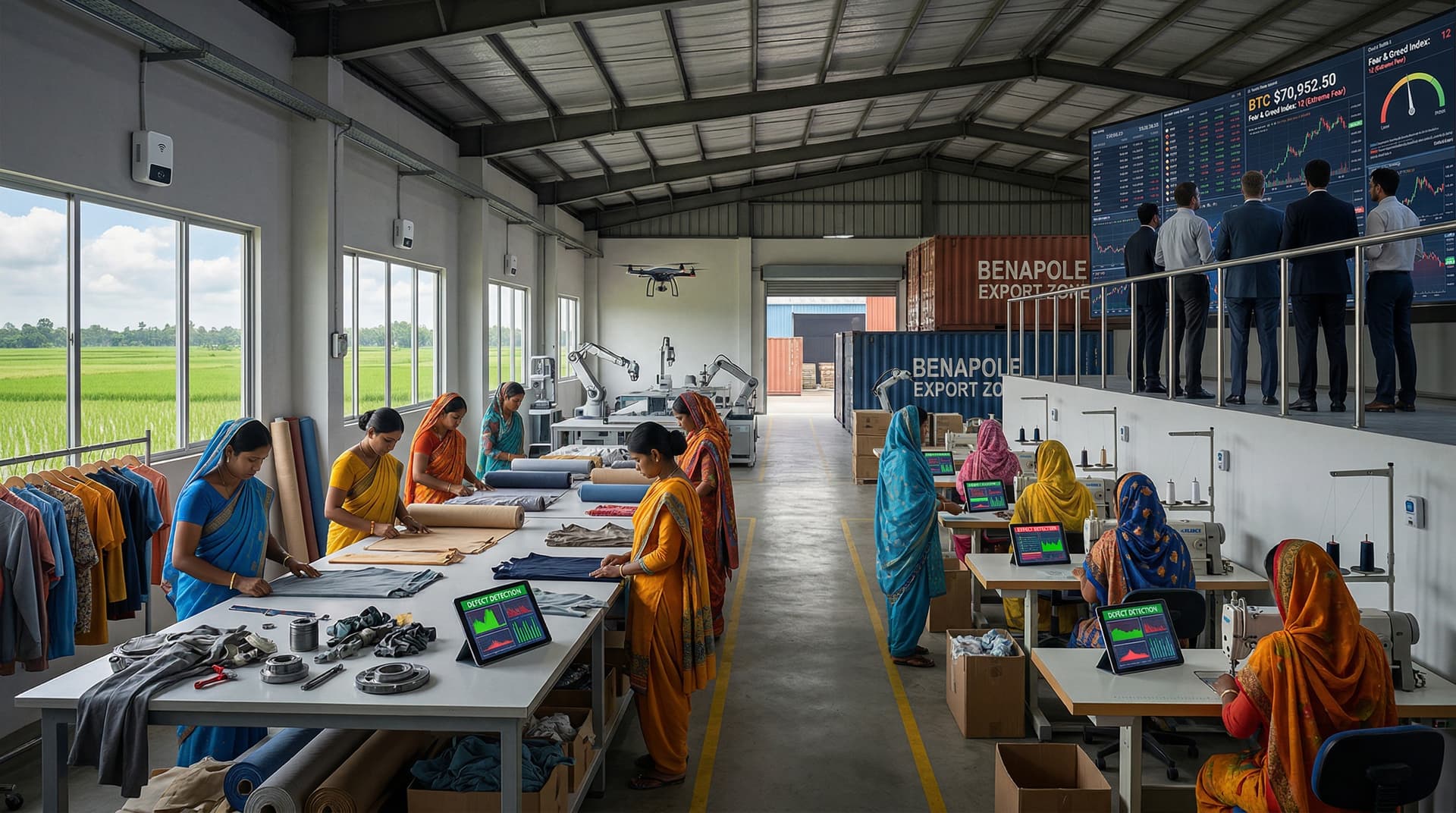
Bangladesh's ready-made garments (RMG) sector employs 4.5 million workers and generates $47 billion in exports annually, per Bangladesh Bank FY24 data. AI quality control faces 65% resistance, BGMEA's March 2024 survey reveals.
BGMEA President Siddiqur Rahman attributes 55% of issues to skill gaps. Jessore factories near Khulna adopt AI sorting at only 15% rate. Workers favor manual checks. World Bank diagnostics show digital skills cover just 28% of RMG workforce.
World Bank. RMG supplies U.S. brands; hesitancy slows efficiency for diaspora-owned retailers in Jackson Heights.
Remittances Link AI Hesitancy to Finance Caution
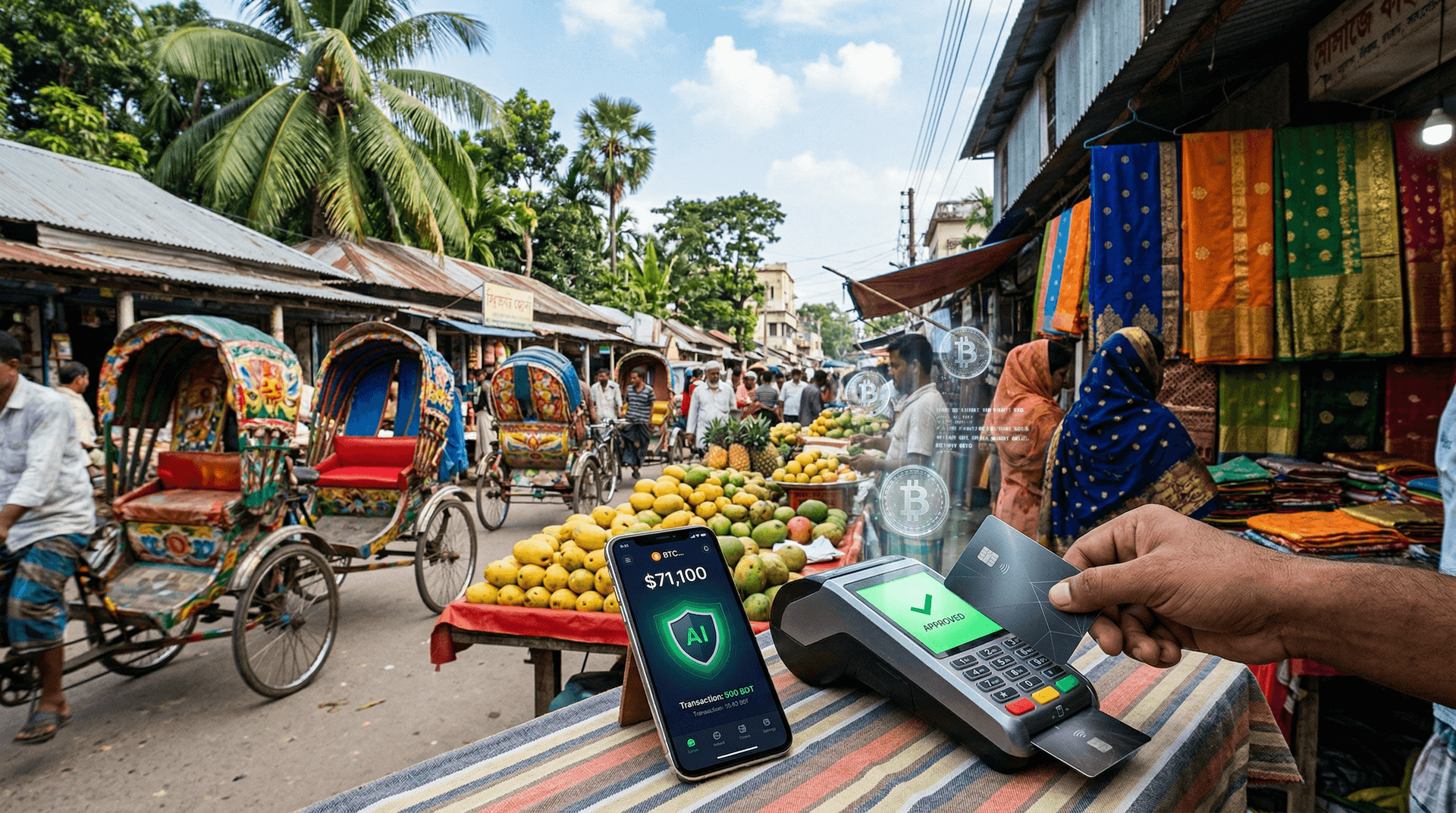
Bangladesh receives $21.7 billion in remittances yearly, Bangladesh Bank reports for FY23. Diaspora workers in U.S. Gulf send funds via bKash and Nagad, but AI fraud detection tools see low uptake due to hesitancy.
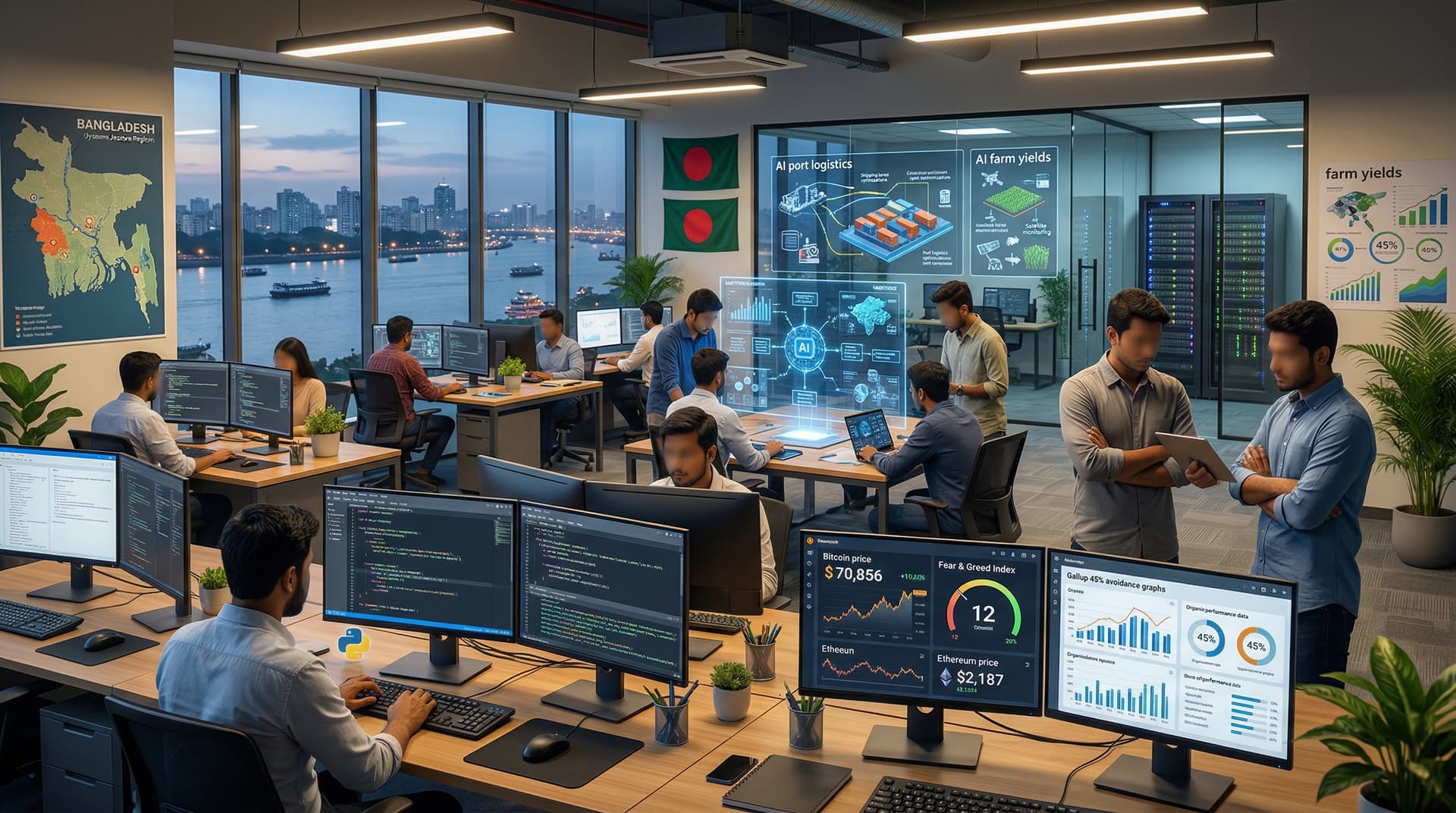
Crypto channels hit $500 million last year, despite central bank restrictions. Crypto Fear & Greed Index reads 12 on extreme fear, per CoinGecko. Bitcoin trades at $70,952 USD; Ethereum at $2,186 USD.
ADB Lead Economist Nisha Sinha warns hesitancy risks 2% GDP loss. AI-blockchain tools could boost remittances by 15%, she states. bKash's AI transaction monitoring covers 40% of 70 million users.
Jessore Leads Local Tech Adoption Efforts
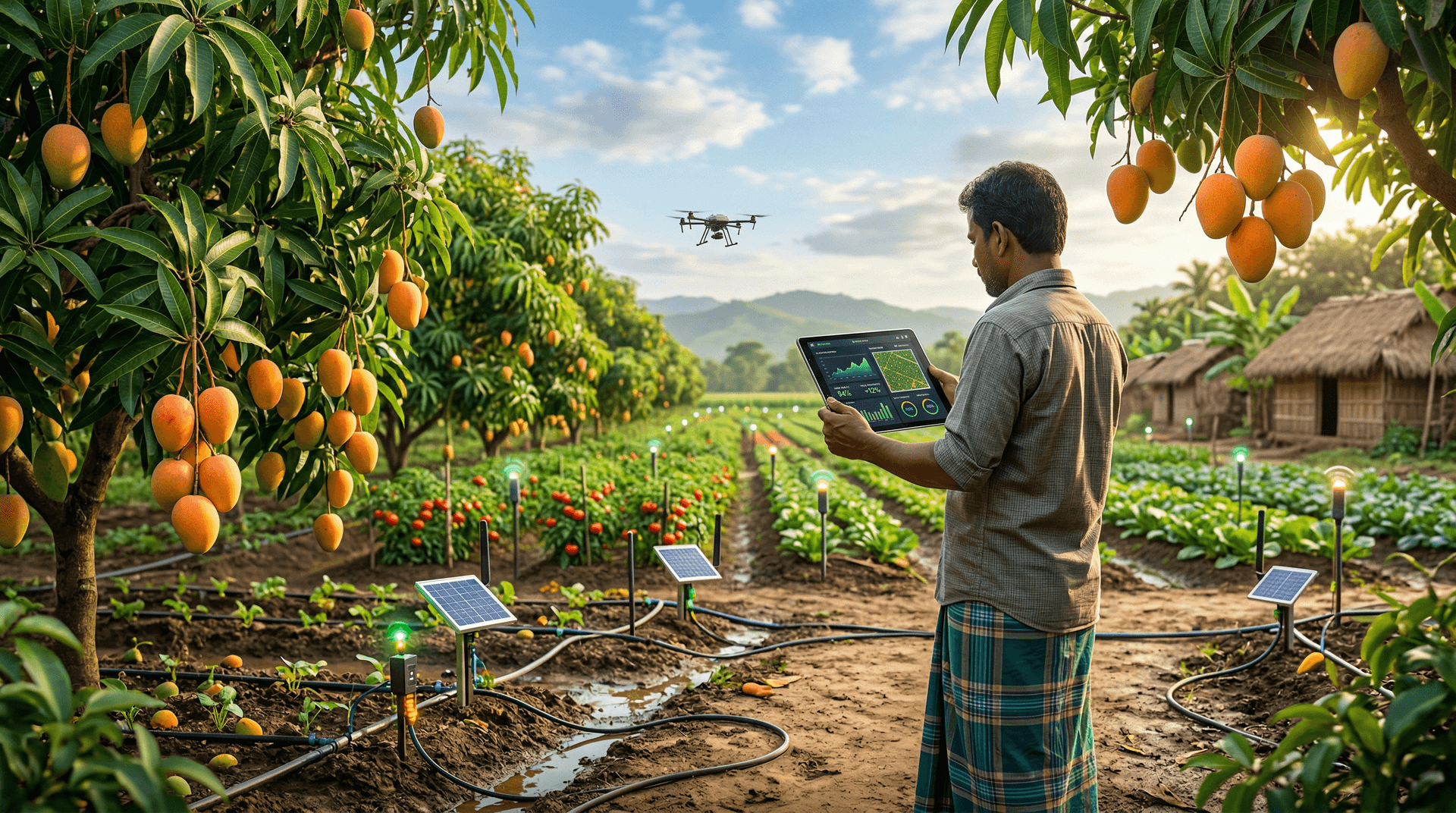
Benapole export zone cuts customs clearance 40% via AI pilots, training 500 workers since January 2024. Jessore farmers adopt AI crop monitors at 22%; hesitancy cuts yields 15%, Jessore Agriculture Office data shows.
Jessore University enrolls 1,200 in AI courses, up 35% year-over-year. Local IT firms like Brain Station 23 hire 200 trained graduates quarterly, targeting RMG automation.
Government Policies Target AI Workplace Hesitancy
Bangladesh budgets BDT 5 billion ($42 million USD) to train 1 million in AI by 2028, per BIDA announcements. Grameenphone partners Google to reach 300,000 rural users with AI literacy.
BGMEA opens 50 training centers; Jessore hosts two, training 2,000 workers quarterly. A Khulna factory achieves 35% productivity gains post-AI rollout, BGMEA confirms.
TechCrunch notes U.S. training boosts usage 28%. Bangladesh addresses 70% data distrust via new privacy laws.
Economic Stakes Heighten Urgency
RMG exports project $50 billion in FY25; AI adds 10% potential, BBS forecasts. Hesitancy limits gains to 4%. Jessore digital hubs employ 5,000; target 10,000 jobs stalls.
Dhaka fintechs see 25% AI bot opt-in. Remittance corridors grow 8% yearly, Bangladesh Bank data. Diaspora investors eye AI startups like Pathao, valued at $100 million.
Path Forward Conquers AI Workplace Hesitancy
Policies target 40% adoption by 2027 with BDT 10,000 bonuses. Jessore pilots succeed; quarterly BGMEA reports track progress. Bangladesh unlocks RMG efficiency and remittance tech by tackling AI workplace hesitancy.