By Rajesh Kumar Jessore News 24 April 11, 2026
Jessore district election officials confirmed AI misinformation via a viral deepfake video today. The fake shows a leader promising impossible funds ahead of May polls. Voters now question candidate authenticity, threatening Bangladesh democracy.
Deepfakes Target Jessore Polls
Jessore municipal elections near in May 2026. A Khulna division rival released deepfake audio last week alleging vote-buying. Bangladesh Election Commission verified both as AI-generated fakes.
Experts point to generative AI tools like Stable Diffusion and video models. Local freelancers craft these videos for under 100 BDT using mobile apps. Detection software reaches only 60% accuracy, per MIT Media Lab's March 2026 report.
Locals and diaspora lose trust fast. BRAC University surveyed 1,200 Jessore residents and found a 25% confidence drop, released April 10, 2026. Expatriates in London and New York amplify concerns on social media.
AI Misinformation Sparks Finance Market Fears
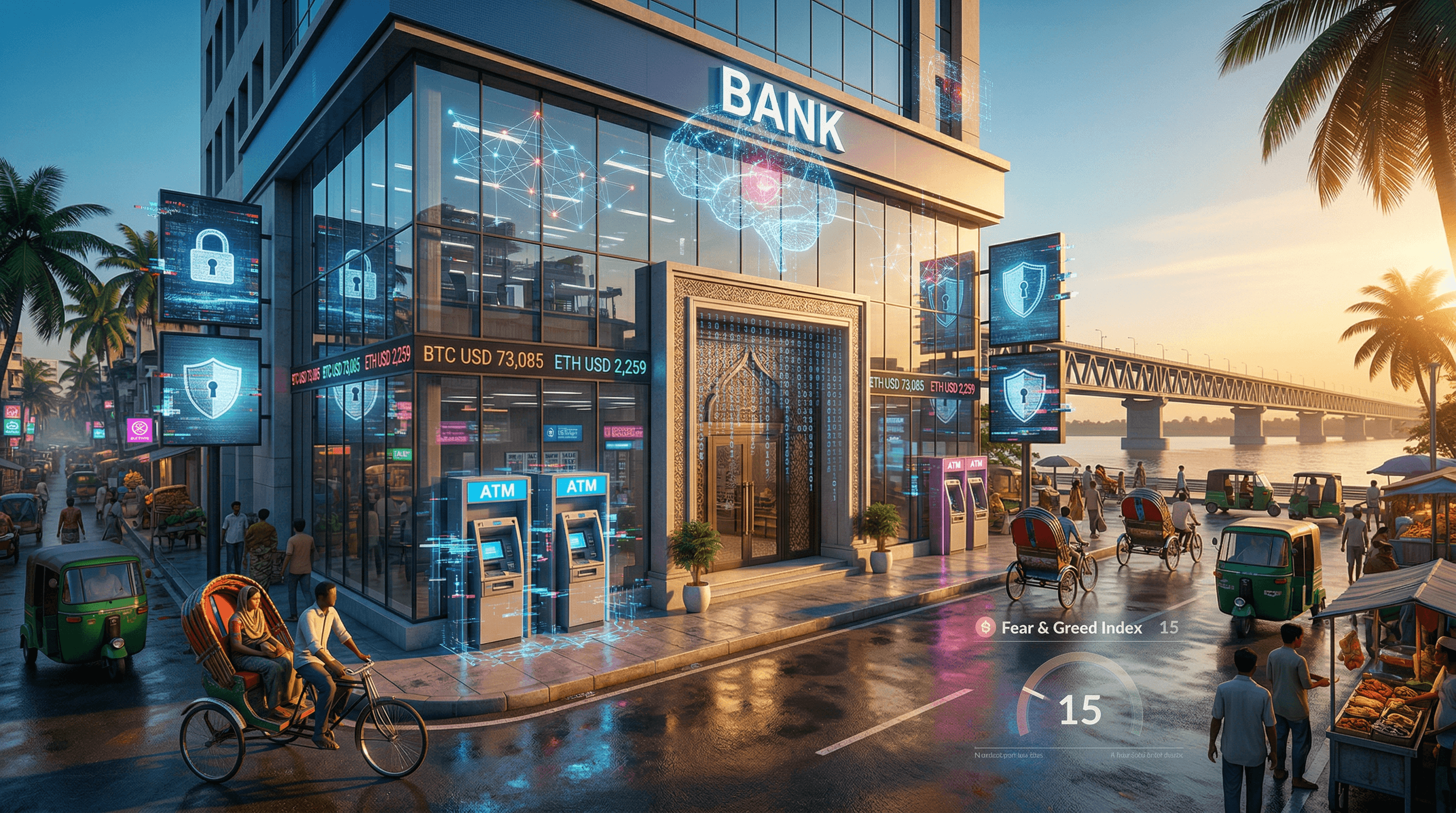
Crypto markets mirror Bangladesh's economic risks. Alternative.me's Fear & Greed Index plunged to 15 (Extreme Fear) today. Bitcoin trades at $73,568 USD, up 0.5%. Ethereum hits $2,310.10 USD, up 2.5%.
Jessore's garment sector takes direct hits. Factories employ 200,000 workers district-wide. False claims disrupt union votes and cut production 5%, says Bangladesh Garment Manufacturers and Exporters Association (BGMEA) on April 11, 2026. BGMEA flags remittance slowdowns hurting supplier payments.
Diaspora Remittances at Risk
Jessore expatriates in the UK and US remit 1.5 billion USD yearly via bKash and Nagad. Misinformation slows real estate deals 10%, per Jessore Chamber of Commerce data from April 11, 2026. Families delay transfers fearing unrest.
Volatility slams mobile financial services. bKash logged a 7% transaction volume dip today, tied to election fears. Diaspora in Jackson Heights report matching trends in remittance corridors.
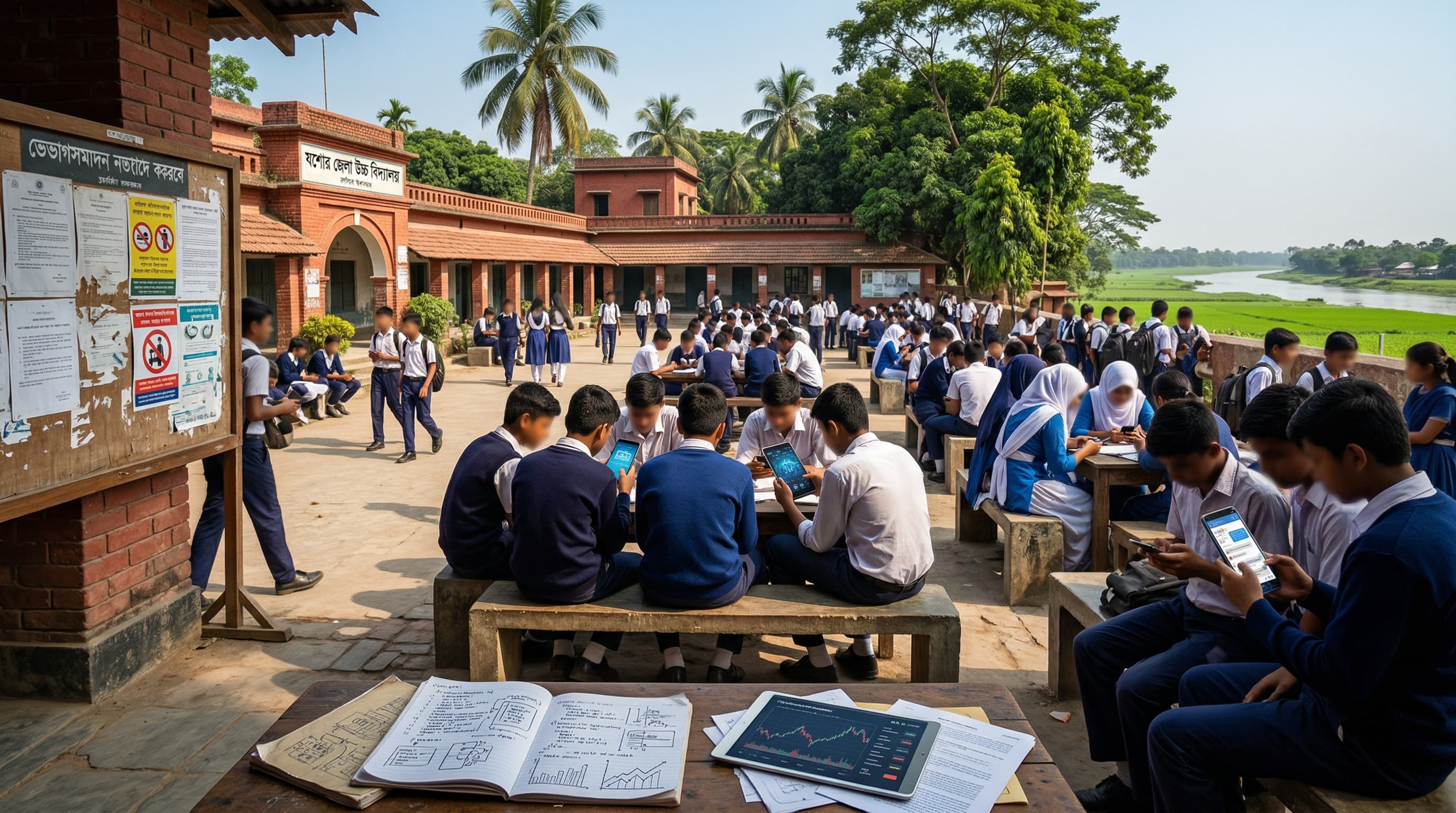
Jessore Science and Technology University halted campaigns after deepfakes mimicked deans. Enrollment inquiries dropped 15% this semester, hurting tech talent pipelines.
Tech Solutions Emerge
Blockchain pilots bolster voter ID verification. Bangladesh tested Polygon hashes in 2025 Dhaka trials for tamper-proof IDs. Costs top 500 BDT per user, but scaling cuts expenses.
Google launched SynthID detector on April 9, 2026. It identifies 80% of fakes via watermark analysis. Bangladesh Election Commission rolls it out to public portals next month.
Jessore startups develop Bengali deepfake scanners with Hugging Face models. Beta tests achieved 75% accuracy on April 11, 2026, handling regional accents.
Policy Responses Accelerate
Prime Minister's office drafts AI ethics bill requiring digital content watermarking. Enforcement costs 2 billion BDT, officials estimate on April 11.
Regulators study Singapore's model with 10 million BDT fines for misuse. Dhaka lawmakers debate passage today before polls.
NGOs train 50,000 Khulna division voters in fact-checking and reverse image searches. Participation rose 40%, per field reports.
USAID allocates 5 million USD for detection labs starting in Jessore on April 20, 2026. Labs equip local IT firms with AI forensics tools.
Innovation Meets Safeguards
AI drives Bangladesh's economy amid risks. Bangladesh Bank 2026 report attributes 20% fintech growth to AI, like Nagad expansions, and 15% garment efficiency from automation.
Unchecked AI misinformation tricks farmers with fake subsidies, altering crops and slashing Jessore yields 8%, per BBS data.
Chainlink oracles enable blockchain fact-checking at 200 USD per cycle. Jessore pilots integrate with remittance platforms by June 2026.
Bangladesh bolsters electoral defenses against AI misinformation. Jessore voters and diaspora rebuild trust before May polls. Crypto stability aids remittances and growth as Fear & Greed Index recovers from 15.