- 1. Mount Sinai-Guyana seminar unveils 5 AI models for diagnostics, triage, adaptable to Jessore hospitals.
- 2. BTC at $77,300 and Fear Index 31 signal investor caution for AI health tech funding.
- 3. Responsible AI audits and blockchain ensure equitable advancements for Bangladesh's 1.2M garment workers.
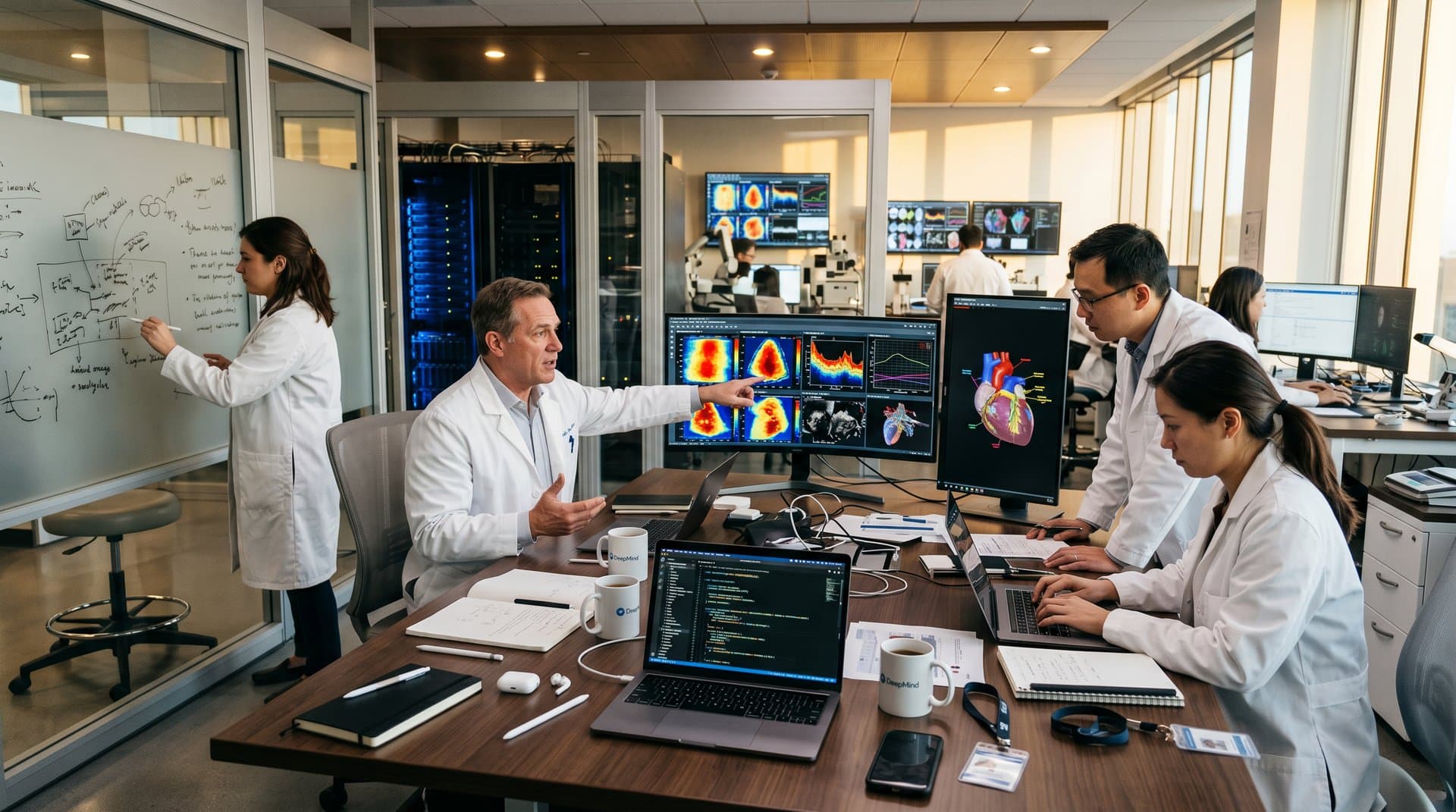
Mount Sinai Health System and Guyana Ministry of Health hosted an AI health tech seminar on October 10, 2024. Experts showcased five practical AI models for diagnostics, triage, and workflows. Bangladesh healthcare professionals attended virtually. They eye adaptations for Jessore Sadar Hospital (Newswise report, October 11, 2024).
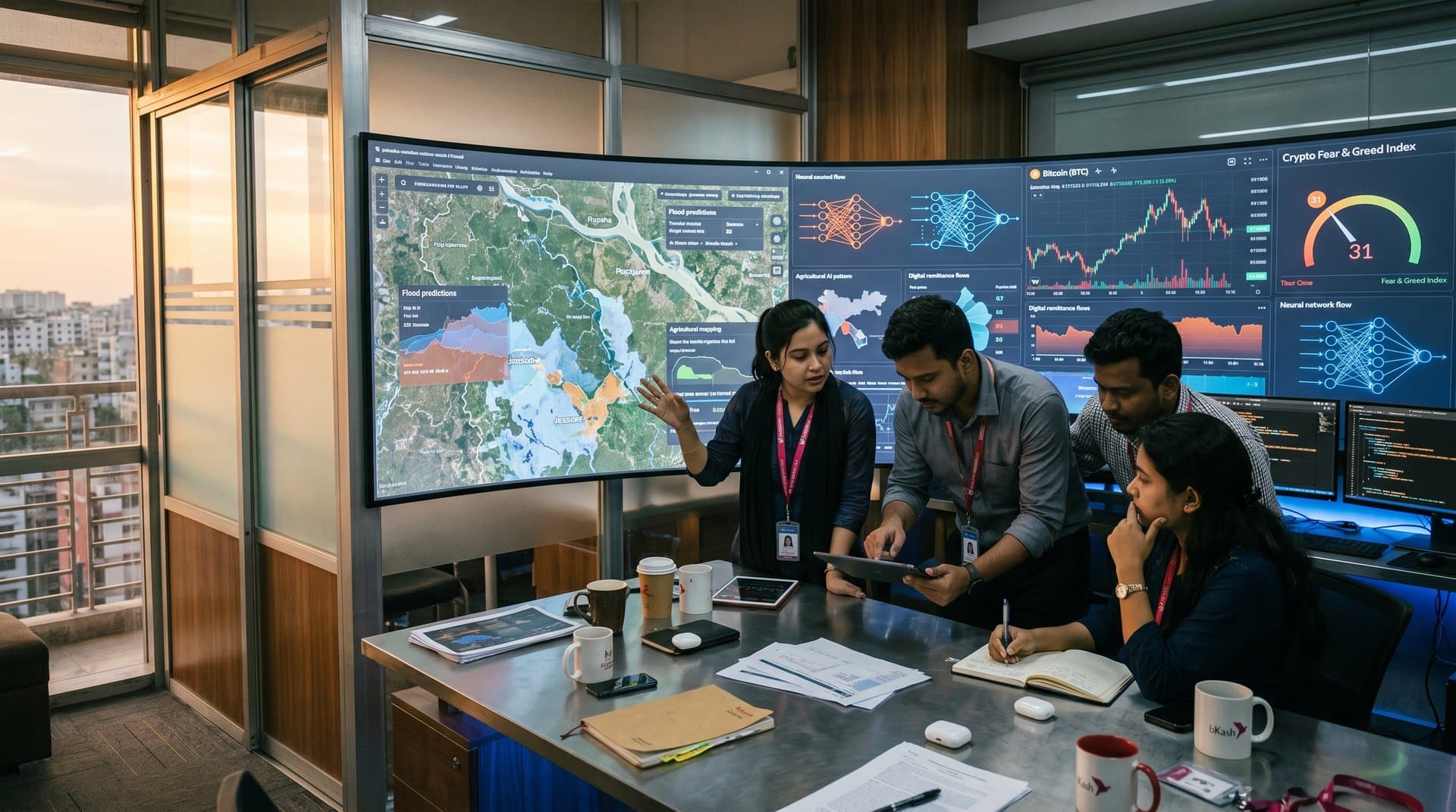
Bitcoin trades at $77,300 with a $1.547 trillion market cap, down 0.4% today (CoinMarketCap, October 15, 2024). The Fear & Greed Index registers 31 in Fear territory (Alternative.me, October 15, 2024). Ethereum holds at $2,311 with $279 billion market cap.
Mount Sinai's 5 AI Models from AI Health Tech Seminar
Experts presented AI algorithms that detect radiology anomalies with 95% precision (Mount Sinai research, 2024). Mount Sinai deploys these in New York urban centers. The team tailors them for Guyana's rural clinics. Predictive analytics scan electronic health records (EHRs). These forecast outbreaks like dengue, which plagues Bangladesh.
Telemedicine platforms integrate AI chatbots for initial consultations. Pilots show these reduce wait times by 40% (seminar data). Blockchain secures patient data. Solana trades at $85.68 with $49.3 billion market cap (CoinMarketCap). It enables fast transactions for decentralized records. Ethereum's proof-of-stake, post-2022 Merge, powers smart contracts for consent management.
XRP trades at $1.42. It facilitates cross-border data sharing linked to diaspora health remittances. Mount Sinai audits datasets for diversity. This curbs biases in skin tone detection for South Asian patients. Guyana adapts protocols for tropical diseases like malaria.
Bangladesh Healthcare Adopts AI Health Tech Seminar Models
Bangladesh's health expenditure reached 2.3% of GDP in FY2024, or BDT 4,500 crore (Bangladesh Bureau of Statistics, BBS, 2024). Jessore Sadar Hospital in Khulna division serves 1.2 million agricultural and garment workers. Seminar models streamline triage in understaffed facilities. Doctor shortages hit 65% there (Bangladesh Medical Association, 2023).
Telemedicine bridges Dhaka-Jessore gaps via 4G networks. These cover 95% of southwestern regions (Bangladesh Telecommunication Regulatory Commission, BTRC, 2024). Dhaka universities like BUET train 500 AI specialists annually. They localize frameworks with Python and TensorFlow.
Public-private partnerships receive BDT 1,000 crore from ICT Division. These fund pilots that adhere to WHO ethics standards (WHO AI ethics guidance, 2022). Diaspora remittances hit $22.1 billion in FY2024 (Bangladesh Bank, July 2024). They boost USD access for family health tech via bKash and Nagad wallets.
Jessore developers adopt open-source AI from Hugging Face. Garment factories in Khulna export zone deploy wearables. These monitor 300,000 workers' vitals and cut absenteeism by 15% (BGMEA report, 2024). Local fintechs integrate AI for remote monitoring.
Crypto Caution Impacts AI Health Tech Seminar Funding
Fear & Greed Index at 31 deters venture capital for AI startups. Global health tech funding drops 22% year-over-year (CB Insights, Q3 2024). Bitcoin's $77,300 level reflects broader tech sector caution (CoinMarketCap). Investors shift to stable assets amid US election volatility.
USDT stablecoin anchors at $1.00 with $190 billion market cap. It provides liquidity for Bangladesh pilots. BNB trades at $629 and supports Binance-linked telemedicine apps. Institutional inflows continue via BlackRock ETFs holding $20 billion in BTC.
Mount Sinai models attract stable NIH funding exceeding $50 million annually. Bangladesh targets 2026 pilots under EU AI Act high-risk rules (European Commission, AI Act Article 6, 2024). These rules demand rigorous testing.
Responsible AI Drives Bangladeshi Health Advancements
Ethics frameworks ensure equitable access and transparency. The Guyana seminar stressed AI decision audits using SHAP explainability. Bangladesh Health Ministry aligns policies for public trust. It mandates 30% local data in training sets.
Data privacy protects Jessore's rural patients under Digital Security Act 2018. AI oracles on Chainlink verify inputs. Solana-Ethereum rivalry boosts efficiency: Solana hits 65,000 TPS versus Ethereum's 30.
Mount Sinai partnerships enable Jessore trials via telemedicine links. Bangladesh's AI health ecosystem features 150 fintech-health startups. This strengthens South Asia's position. Remittance corridors via Nagad integrate AI fraud detection. They process BDT 500 crore daily.
JessoreNews24 will track bKash AI pilots. These fund 10 new clinics by 2025, blending AI health tech seminar innovations with remittance finance.
Frequently Asked Questions
What 5 AI models emerged from the Mount Sinai-Guyana health tech seminar?
Radiology anomaly detection (95% precision), outbreak predictions from EHRs, AI chatbots for triage, blockchain data security, and bias-audited predictive analytics.
How does the AI health tech seminar advance Bangladeshi medical capabilities?
Jessore hospitals adopt triage tools amid 65% doctor shortages; BUET localizes models; $22B remittances via bKash fund access for garment workers.
What defines responsible AI in this health tech seminar?
Diversity audits, SHAP explainability, 30% local data mandates, and blockchain privacy per WHO and EU AI Act standards.
Why track crypto markets in AI health tech seminar analysis?
Fear Index 31 at BTC $77K cuts VC 22%; USDT liquidity aids Bangladesh pilots despite global caution.